
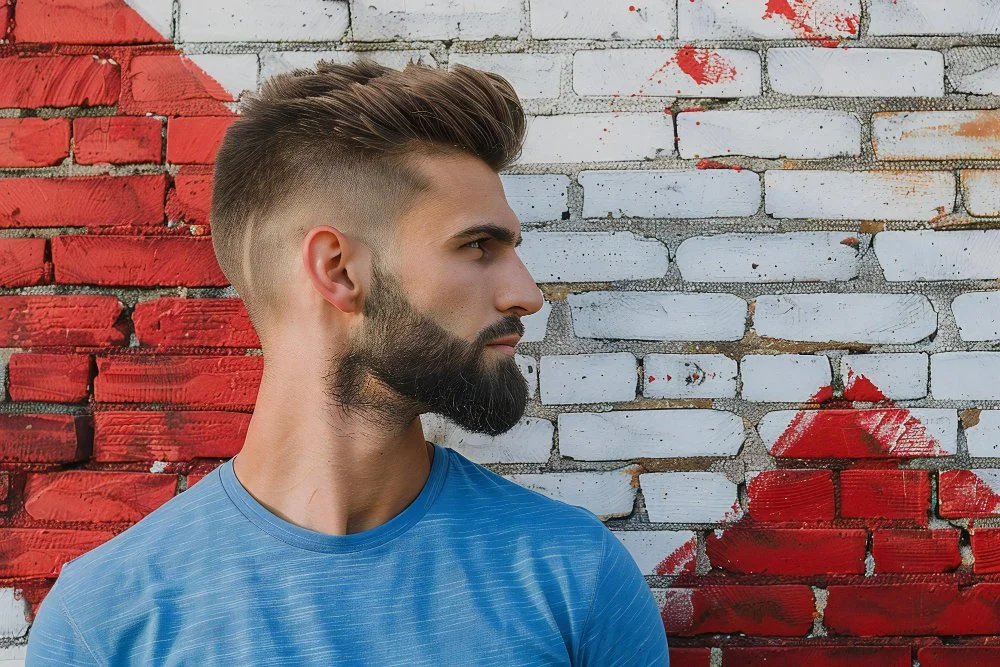
The flow haircut—also known as bro flow, hockey hair, or simply “flow”—is officially back, and 2026 is shaping up to be its biggest year yet. What used to be associated with hockey players, surfers, and laid-back rebels has evolved into one of the most versatile medium-length hairstyles for men, working just as well in professional settings as it does off-duty.
If you’ve been seeing more men in Chicago growing out their hair and pulling off that effortless, swept-back look, this guide will explain exactly what a flow haircut is, who it works for, how to ask your barber for one, and how to survive the awkward growth phase without giving up.
What Is a Flow Haircut (and Why It’s Making a Comeback in 2026)
A flow haircut for men is a medium- to long-layered hairstyle that moves naturally away from the face. The defining feature isn’t length alone—it’s movement. The hair flows backward or to the side instead of sitting stiffly or falling forward.
You may also hear it called:
Bro flow
Hockey hair/hockey flow
Wings
(sometimes jokingly) the lettuce
Historically, flow has roots in the 1970s–80s surfer culture, where natural texture and length were celebrated. In recent years, it’s resurfaced thanks to athletes and celebrities—think Bradley Cooper, Timothée Chalamet, and NHL players whose hair literally flows out of their helmets. Grooming brands and barbers featured by Forte Series, Cutters Yard, and Beard Beasts have all highlighted flow as a defining modern men’s style.
So why the resurgence in 2026?
Men are moving away from overly tight fades and rigid grooming rules. There’s a growing preference for effortless masculinity—styles that look natural, flexible, and lived-in. Flow fits perfectly into that shift.
That said, “effortless” doesn’t mean zero effort. Flow requires the right cut, patience while growing it out, and some basic styling knowledge. One reason barbers sometimes dislike flow requests is that clients often ask for it without reference to photos or realistic expectations. This guide fixes that.
Is a Flow Haircut Right for Your Hair Type and Face Shape?

One of the biggest myths is that flow only works for a specific hair type. In reality, flow works on straight, wavy, and curly hair—it just looks different on each.
Before committing, consider your hair texture, face shape, and lifestyle.
Flow for Straight Hair
Straight hair doesn’t naturally create movement, so layering is essential. Ask your barber for soft, feathered layers and avoid blunt cuts, which make straight hair look flat.
Styling usually requires a blow-dry and a light product, such as texturizing clay or sea salt spray. Straight hair works especially well with side-parted or slicked-back styles.
Flow for Wavy Hair
Wavy hair is ideal for flow. Natural bends create effortless texture with minimal effort. Longer layers help waves form naturally, while over-texturizing can cause frizz.
Most wavy-haired clients can air-dry or blow-dry with fingers. Classic flow, surfer-inspired flow, and middle-part flow all shine here.
Flow for Curly Hair
Curly hair adds volume and personality to flow. The key is structure—keep the sides and back tapered so the curls on top look intentional, not overgrown.
Curl creams or mousses help define shape without stiffness. Curly flow pairs exceptionally well with beards and works great in textured or mullet-inspired variations.
Face Shape Considerations
Round faces: Longer flow on top helps elongate
Square faces: Soft layers balance strong jawlines
Oval faces: Can wear almost any flow variation
Heart-shaped faces: Medium flow with balanced volume works best
Lifestyle matters too. If you’re unwilling to commit to 4–6 months of growth or occasional styling, flow may not be the right choice—yet.
Flow Haircut Length Guide: Short, Medium & Long
Not all flow haircuts look the same. Length changes the entire vibe.
Short Flow (2–3 Inches)
Short flow sits just above or around the ears. It’s the easiest entry point if you’re testing the style.
Lower commitment
Easier daily maintenance
Works in conservative workplaces
Trade-off: less dramatic movement
Medium Flow (3–5 Inches)
This is the classic flow haircut men picture when they hear the term.
Hair reaches ear-length to chin
Balanced for casual and professional settings
Most versatile and popular option
Requires light daily styling and trims every 6–8 weeks.
Long Flow (5+ Inches)
Long flow reaches the collar or shoulders and makes the biggest statement.
Maximum movement and personality
Higher maintenance
Strongly affected by humidity and climate
Best for men fully committed to the look.
How to Ask Your Barber for a Flow Haircut (Without Miscommunication)
Walking in and saying, “Can you give me a flow?” is a recipe for disappointment. Here’s how to do it right.
Start with reference photos—bring 2–3 that match your hair type and face shape. Then talk specifics:
Desired length (short, medium, or long flow)
Top length in inches
Whether you want texture or a cleaner finish
Side treatment: soft taper, clean taper, or no fade
Neckline shape
Styling direction (swept back, side part, middle part)
Use terms like layered, movement, textured ends, and soft taper. Avoid vague phrases like “do whatever you think.”
A great move: ask your barber to recap the plan before starting. That single step prevents most regrets.
The Month-by-Month Growth Timeline: Surviving the Awkward Phase
This is where most men quit—right before it gets good.
Month 1: Hair just looks longer, not intentional. Use light products, hats, and patience. No trims yet.
Months 2–3: The awkward phase. Hair hits the ears, wings start forming, and it feels messy. Blow-drying becomes your friend. This is when most guys give up—don’t.
Months 4–5: Real progress. Flow starts to appear, layers begin to move, and styling becomes easier. Get your first maintenance trim.
Month 6+: True flow. Hair cooperates, styles easily, and looks intentional. Maintenance mode begins.
Every athlete and celebrity with flow went through this exact process.
Styling Your Flow: Daily Routine & Product Guide
Flow looks natural, but there’s a method behind it.
The 5-Minute Morning Routine
Lightly dampen hair
Towel-pat dry
Apply sea salt spray or light cream
Blow-dry away from the face using fingers
Finger-comb into place
Product Basics
Sea salt spray: texture + movement
Clay: matte definition
Pomade: shine + control
Mousse: volume for fine hair
Rule of thumb: use the lightest product possible. Heavy products kill flow.
Common Flow Mistakes & How to Avoid Them
Asking for “flow” without specifying length
Skipping trims during growth
Using heavy, greasy products
Expecting zero styling effort
Giving up during months 2–3
Comparing your hair to celebrities with different hair types
Flow rewards patience and communication.
Popular Flow Variations: Bro Flow, Hockey Flow & More
Bro Flow
Casual, lived-in, slightly messy. Minimal product. Relaxed vibe.
Hockey Flow
More volume and structure. Styled back with intention. Athletic energy. This is where hockey hair shines.
Slicked-Back Flow
Polished and controlled. Great for professional environments.
Middle-Part Flow
Balanced and soft. Works best with oval or round faces.
Surfer Flow
Longer, textured, beachy. Best for naturally wavy or curly hair.
How This Applies to Chicago Male Salon Clients
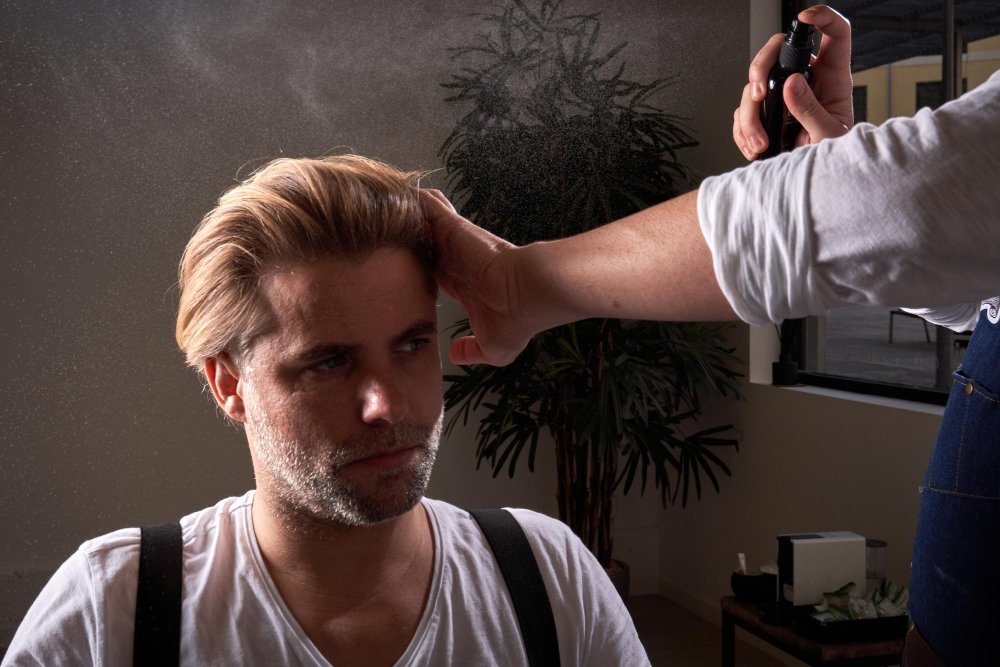
At Chicago Male Salon, we specialize in men’s medium-length cuts and understand the nuances of flow—especially in Chicago’s climate, where humidity and cold affect styling. Many clients come in asking for "hockey hair" or "bro flow," without clarity. Our barbers walk you through length, layering, and maintenance before cutting, so there are no surprises.
We’ve styled hundreds of flows across all hair types and lifestyles. The advantage of returning to the same barber is consistency—your barber learns how your hair grows and adjusts the cut as your hair grows out. If you’re new, we offer consultations to discuss your flow goals before committing.
Knowing how to get a flow hairstyle matters more in Chicago than most cities. Winter strips moisture, causes static, and flattens a flow hairstyle the moment you pull off a hat. Summer humidity does the opposite — it activates frizz and breaks the swept-back shape you spent months growing. The right cut angle and product approach for Chicago conditions are not the same as what a generic guide recommends. Book a consultation and we will map a strategy built around your hair and this city's specific climate.
Frequently Asked Questions
How long does it take to grow a flow haircut?
Growing a true flow haircut for men takes patience. Most men will start to see the early signs of flow around 4–6 months, especially once the hair reaches ear length and begins to move naturally away from the face. However, a fully confident, intentional-looking flow typically takes 6–8 months, depending on your starting length and individual hair growth rate (average hair grows about ½ inch per month). The biggest challenge is the awkward phase during months 2–3, when the hair looks messy rather than stylish. This stage is normal and unavoidable. Strategic maintenance trims, proper layering, and basic styling (like blow-drying and light product use) are what set successful flow journeys apart from those that get abandoned too early. Consistency and patience are key.
Can thin hair be cut into a flow haircut?
Yes—thin hair can absolutely be cut into a flow haircut, but the approach matters. Thin hair requires strategic layering to create the illusion of volume and movement. A skilled barber will avoid blunt cuts, which make thin hair look flat, and instead use soft layers and texturizing techniques to add dimension.
Styling also plays a major role. Volumizing products like mousse, sea salt spray, or lightweight creams help lift the hair and prevent it from collapsing. Blow-drying is especially important for thin hair, as air-drying alone often leaves it limp. Most men with thin hair do best with a short-to-medium flow (2–4 inches) rather than a very long flow, which can appear stringy. While thin hair won’t look as dense as thick hair, a well-executed flow still looks intentional, stylish, and modern.
What’s the difference between hockey flow and surfer flow?
While both styles fall under the umbrella of flow haircuts, hockey flow and surfer flow have very different aesthetics. Hockey flow is more structured and intentional. It emphasizes layers, volume, and movement and is almost always styled with a blow dryer and product. The hair is typically pushed back away from the face, creating a confident, athletic look inspired by hockey players whose hair flows out of their helmets.
Surfer flow, on the other hand, is looser and more natural. It relies heavily on natural waves or curls, often air-dries, and uses minimal product—usually just sea salt spray. The vibe is relaxed, beachy, and carefree. Hockey flow looks sharper and more polished; surfer flow looks effortless and sun-worn.
How often should I trim my flow?
To keep a flow haircut looking intentional rather than overgrown, regular trims are essential. For most men, a maintenance trim every 6–8 weeks is ideal once the flow is established. During the growth phase, trims every 4–6 weeks are often recommended—but these are not full haircuts.
Proper maintenance trim removes split ends, tidies the neckline, and refreshes layers without sacrificing overall length. Skipping trims entirely is a common mistake and often results in wispy ends, uneven growth, and a sloppy appearance. Think of trims as protecting your progress, not reversing it. With regular maintenance, your flow will look healthier, move better, and be far easier to style day-to-day.
What should I tell my barber when asking for a flow haircut?
Start with two or three reference photos that match your hair type — straight, wavy, or curly flow looks different on every head. Tell your barber the length you are targeting (short, medium, or long flow) and how much daily styling time you are willing to commit. Mention whether you want a soft tapered neckline or a cleaner line. Then ask your barber to walk you through the plan before any cutting starts. That one step prevents most flow regrets.
What products work best for a flow haircut in Chicago's climate?
Chicago winters call for a lightweight moisturizing cream or anti-static product — cold air and hat-wearing flatten mens flow and create frizz that breaks the shape. In summer, a sea salt spray or light clay gives directional hold without activating humidity-driven frizz. The year-round rule: use the lightest product that still keeps your hair moving the right direction. Heavy pomades kill the movement that makes hockey haircuts and bro flow look good in the first place.