

If you’ve ever Googled haircut prices or wondered how much a haircut costs, you’re definitely not alone. Men regularly see massive price differences—from $20 walk-in cuts to $70+ appointments—and are left wondering what actually separates them. Is it just branding? Location? Or is there a real difference in quality?
The truth is, haircut pricing isn’t random or arbitrary. It reflects a combination of location, barber experience, time investment, technical skill, service level, and—most importantly—how well the haircut holds up after you leave the chair. This guide breaks down men’s haircut costs, explains why prices vary so widely, compares barbershop vs. salon pricing, and shows when paying more truly delivers better long-term value—especially in a city like Chicago.
National Average Haircut Prices for Men in 2025
So, how much does a haircut cost today? Across the United States, the average man's haircut costs between $28 and $43, depending on where you live and the type of establishment you choose.
Typical Price Ranges
Budget chains: $15–$35
Mid-range barbershops: $25–$50
Premium salons or master barbers: $50–$100+
Inflation plays a major role here. A $20 haircut in the late 1990s now costs over $40 when adjusted for inflation alone. On top of that, labor costs, rent, professional tools, continuing education, and product quality have all increased. Modern haircut prices reflect the real cost of delivering skilled, consistent grooming—not just a trim.
How Location Affects Haircut Costs: Urban, Suburban, and Rural Pricing
One of the biggest factors affecting the cost of men’s haircuts is location.
Urban Areas
$45–$70 average
Higher rent, higher stylist wages, and stronger demand
Greater concentration of advanced training and specialty barbers
Suburban Areas
$20–$40 average
Lower overhead costs
Solid quality, fewer premium amenities
Rural Areas
$15–$30 average
Lower operating costs
Fewer specialty services or style options
Chicago Pricing Context
Chicago falls squarely into the urban pricing tier, with most quality men’s cuts ranging from $45 to $70. While this is higher than suburban pricing, it reflects Chicago’s competitive grooming market, advanced barber training, and strong demand for precision fades, modern styles, and professional consistency.
Barbershop vs. Salon: Understanding the Price Difference
Another major question behind haircut prices is the difference between a barbershop and a salon.
Barbershop Prices
$25–$45
Focused on men’s cuts, fades, clipper, and razor work
Faster appointments, efficient service
Best for short styles, fades, classic cuts
Salon Prices
$40–$70+
Stronger focus on longer hair, layering, and styling detail
Often includes shampoo, blow-dry, and extended consultation
Best for medium-to-long styles or styling-heavy cuts
Modern men’s salons often blend both worlds—offering barber-level precision with salon-level consultation, which is where many clients find the best balance of quality and value.
Key Factors That Influence Your Haircut Cost
Stylist Experience & Expertise
Entry-level: $25–$35
Mid-level (3–7 years): $35–$60
Master barber/stylist (10+ years): $60–$100+
You’re not just paying for the haircut—you’re paying for thousands of hours of training, real-world experience, and the ability to consistently deliver results that suit your hair type, face shape, and lifestyle.
Haircut Complexity
Buzz cuts or simple trims: lower cost
Fades, textured cuts, longer styles: higher cost
More detail requires more time, precision, and skill
Salon Reputation
Established salons with strong reputations and loyal client bases often charge more due to demand and proven results.
Add-On Services
Beard trims, hot towel shaves, scalp treatments, styling, and finishing all increase the final price while enhancing the overall experience and longevity of the cut.
Haircut Pricing Tiers Explained: What You Get at Each Level
Budget Tier ($15–$35)
Chain salons or discount shops
Minimal consultation
Best for basic maintenance
Trade-off: rushed service, inconsistent results
Mid-Range Tier ($25–$50)
Local barbershops and independent salons
Strong balance of quality and price
Ideal for most men seeking reliability
Premium Tier ($50+)
Master barbers or high-end salons
Detailed consultation and precision work
Haircuts hold shape longer and grow out cleaner
This is where many men notice the biggest difference—not on day one, but weeks later.
Why Are Haircuts Expensive? A Barber’s Perspective
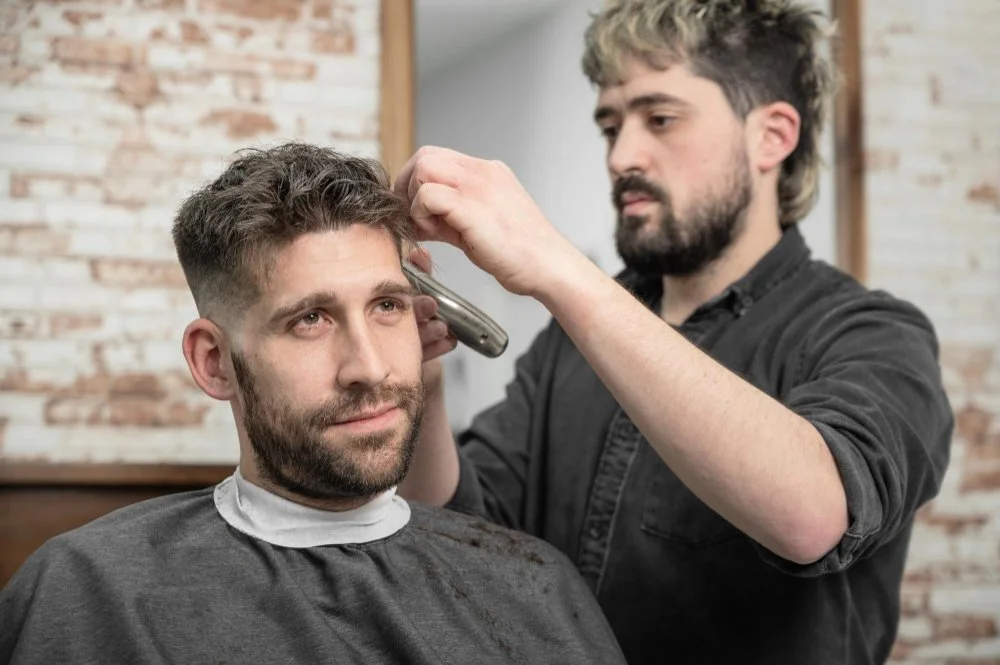
From the client side, haircut prices can feel high—but behind the chair, costs add up quickly.
Barbers invest thousands of hours in training and continuing education. Many pay a weekly chair rental or commission (often 40–60% of their earnings). Professional tools like clippers and scissors cost hundreds of dollars and require regular maintenance and replacement. Add licensing, insurance, rent, utilities, premium products, and business overhead, and profit margins shrink fast.
Time matters too. A clean fade or detailed cut may take 30–40 minutes of focused precision. You’re paying for skill, accuracy, and consistency—not speed.
How Much Should You Actually Pay for a Quality Haircut?
There’s no single answer to how much a haircut should cost. It depends on:
Your budget
Hair type and style complexity
How often do you get haircuts
How much do you value consistency and longevity
A helpful mindset is to think in terms of cost per week, not per visit. A higher-priced haircut that lasts longer often delivers better overall value.
Money-Saving Tips Without Sacrificing Quality
Book weekday or off-peak appointments
Use first-time or loyalty discounts
Maintain your haircut with proper products
Stick with one barber for consistency
Choose styles that grow out well
Saving money doesn’t always mean choosing the cheapest option—it often means choosing the smartest one.
Tipping Your Barber: What’s Expected
In the U.S., tipping is standard:
15% for good service
20% for great service
Always factor tips into your total haircut cost. Tips are a significant part of a barber’s income and help build long-term professional relationships.
How Chicago Male Salon Approaches Quality and Fair Pricing
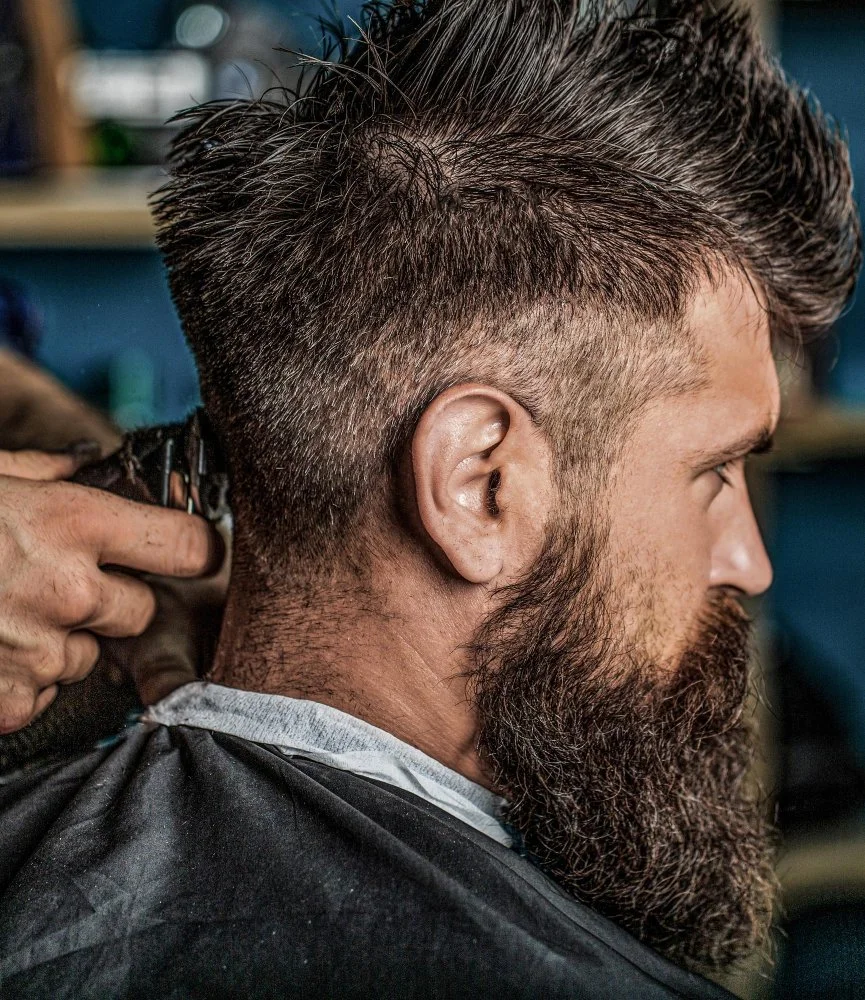
At Chicago Male Salon, pricing reflects experience, precision, and consistency—not shortcuts.
Clients often ask why a cut costs more than a chain down the street. The difference shows in:
Master-level barbers with 10+ years of experience
Thorough consultations before any cutting begins
Precision techniques that grow out cleanly
Haircuts that last 6–7 weeks, not just 2–3
A $55 haircut that holds its shape longer often costs less per week than a cheaper cut that needs constant fixing.
Final Thoughts
Understanding haircut prices helps you make confident, informed decisions. Quality haircuts cost more for a reason—but when done right, they deliver better results, last longer, and often save money over time. If you’re in Chicago and want transparent pricing, expert consultation, and haircuts that actually hold up between visits, our salon is here to help you invest wisely in your look.
FAQs
Is an expensive haircut really worth it?
In many cases, yes—especially if you wear a structured, detailed, or longer hairstyle. A premium haircut isn’t just about how it looks when you leave the chair; it’s about how it grows out over the following weeks. Higher-priced haircuts are typically done by more experienced barbers or stylists who understand hair density, growth patterns, face shape, and balance. That expertise results in a cut that holds its shape longer, requires less daily styling, and doesn’t look sloppy halfway through the grow-out. While a cheaper haircut may save money upfront, it often needs to be fixed or re-cut sooner. When you factor in longevity, consistency, and confidence, premium haircuts often deliver better long-term value—especially for complex styles like fades, textured cuts, or medium-length looks.
How often should I get a haircut?
How often you should get a haircut depends largely on your hairstyle, hair growth rate, and how polished you want to look day-to-day. Short styles and fades tend to show growth quickly, so most men benefit from a haircut every 3–4 weeks to keep lines sharp and proportions balanced. Medium-length styles usually hold their shape longer and can last 4–6 weeks, especially with good styling habits. Longer hairstyles are more forgiving and often only need maintenance trims every 6–8 weeks. Your barber can give the best recommendation based on how your hair grows and your personal style goals. Regular maintenance prevents awkward grow-out phases and keeps your haircut working for you rather than against you.
What’s the real difference between a barbershop and a salon?
The main difference between a barbershop and a salon lies in specialization, service style, and approach. Barbershops traditionally focus on men’s haircuts, fades, clipper work, and precision detailing. They tend to offer faster, more efficient services and are ideal for short styles, classic cuts, and maintenance visits. Salons, on the other hand, typically emphasize longer hair, layering, styling techniques, and in-depth consultations. They often include shampooing, blow-drying, and product styling as part of the service. Many modern men’s salons blend the best of both worlds—offering barber-level precision with salon-level consultation and styling expertise. The right choice depends on your hair length, style complexity, and the type of experience you value.
How much should I budget annually for haircuts?
On average, most men spend between $400 and $700 per year on haircuts, including tips. Your annual budget depends on three main factors: how much each haircut costs, how often you get one, and whether you add services like beard trims. For example, a $45 haircut plus tip every five weeks adds up to roughly $560 per year. A premium $65 haircut every six weeks may cost slightly more annually, but often lasts longer and requires fewer visits. It’s helpful to think in terms of cost per week, not cost per visit. Budgeting monthly—around $35 to $65—makes haircut costs predictable and ensures you’re not sacrificing quality due to surprise expenses.
Can I get a quality haircut on a budget?
Yes, it’s absolutely possible to get a quality haircut on a budget—but there are trade-offs to consider. Budget-friendly options often require flexibility, patience, or compromise on extras. Local independent barbershops sometimes offer excellent value, especially if a skilled barber is building their clientele. Beauty schools can also provide surprisingly good results at a lower cost, though results vary in consistency since students are still learning. Booking during off-peak hours, using first-time discounts, or sticking with one barber for loyalty pricing can also reduce costs. What matters most is communication and expectations. A well-executed $30 haircut can look great if the barber understands what you want—but consistency and longevity are usually stronger at higher price points.