
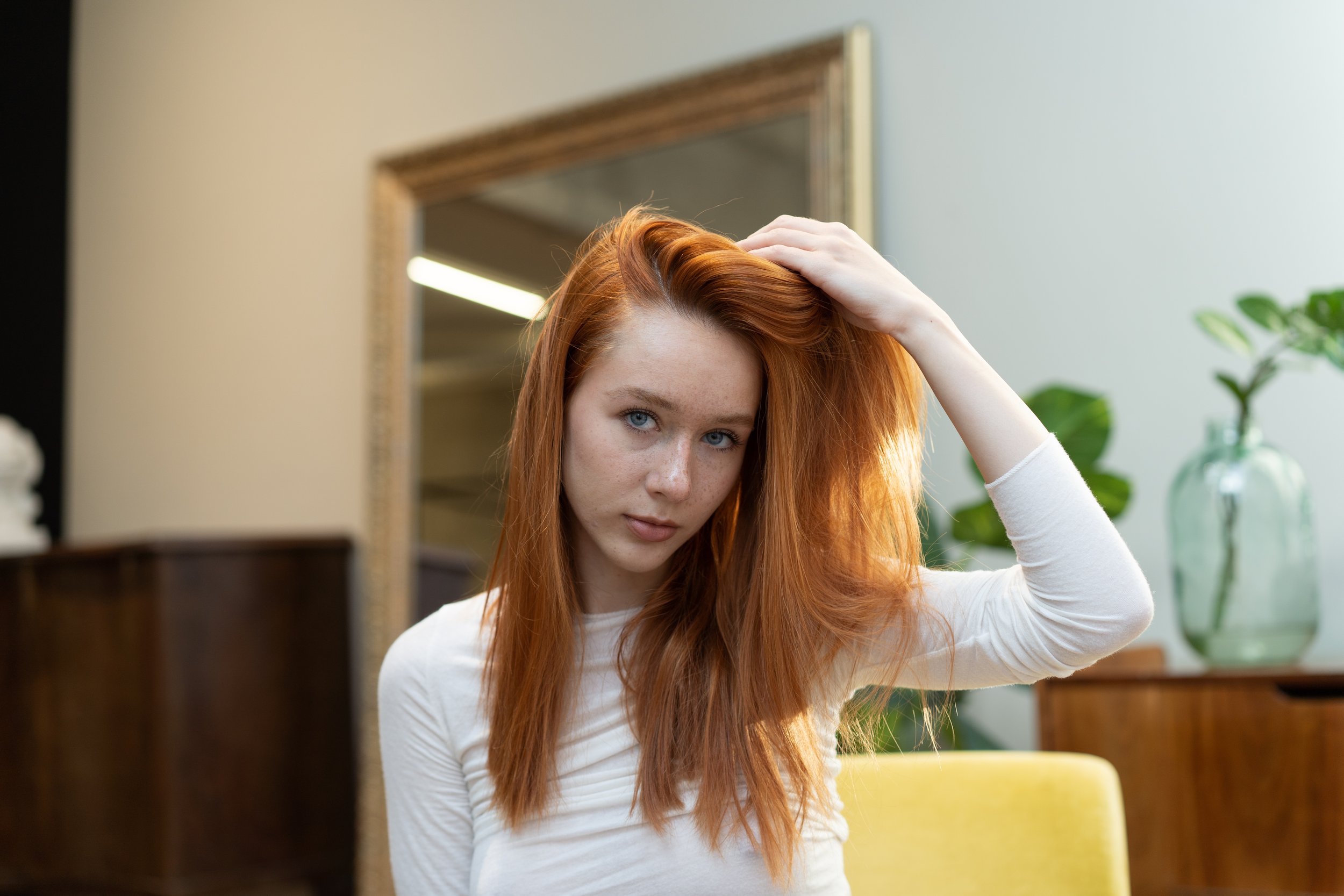
Searching for a home remedy for itchy scalp after hair dye usually means you are uncomfortable right now, and the team at CM Salon & Spa understands why you want answers fast. A reaction after coloring is common and often not serious. This guide covers why your scalp itches and which relief steps actually help you feel better sooner.
Common Causes of an Itchy Scalp After Hair Dye
Most cases trace back to a handful of ingredients found in permanent color. PPD, a compound used to create lasting shades, is one of the most common allergens associated with hair dye. Ammonia and hydrogen peroxide open and lift the hair, and both can dry and sensitize the scalp even when no true allergy exists. Added fragrance is another common irritant. Together, these ingredients explain why so many people notice tingling or itching soon after coloring.
Is It Irritation or an Allergic Reaction?
Mild tingling or brief itching during or shortly after coloring is common and usually temporary. It tends to settle once the product is removed and the scalp is clean. A stronger response looks different. Noticeable redness, swelling, or a rash that spreads beyond the scalp points toward allergic contact dermatitis rather than simple irritation. The distinction matters because ordinary irritation calms with gentle care, while an allergic reaction may need medical attention and a change in how future color is applied.
Why Stylists Recommend Unwashed Hair Before Coloring
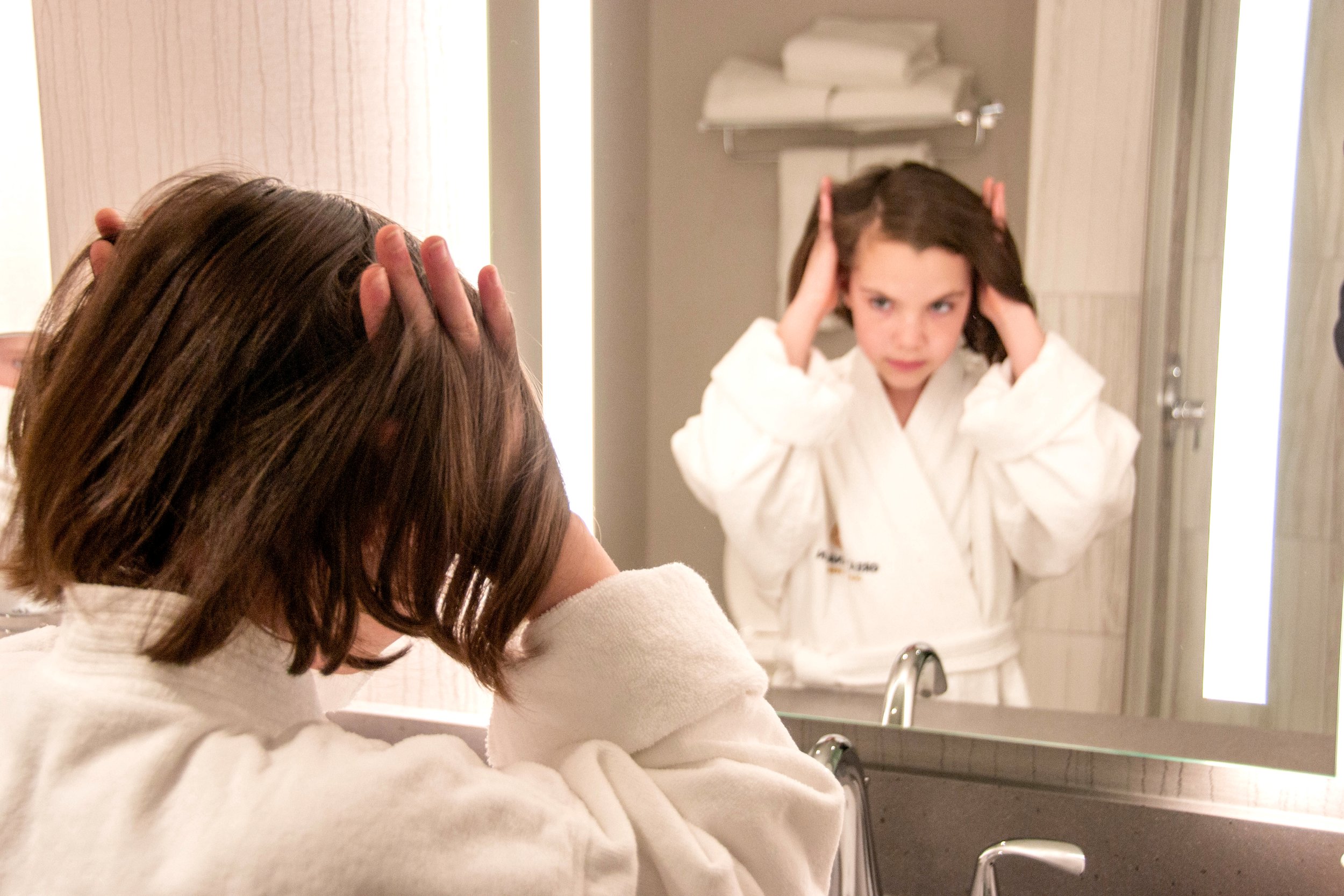
Arriving with a day or two of natural oils on your scalp is not about being lazy. That layer of sebum forms a protective barrier between the dye and your skin, reducing direct contact and irritation. This is exactly why stylists often ask clients not to wash their hair right before a color appointment. Keep in mind that the oil barrier helps but is not foolproof. Sensitive scalps can still react, so it is one of several factors at play.
What Professional Color Application Does Differently
A trained colorist controls where the product goes far more precisely than a home kit allows. Techniques like foiling and careful root spacing keep dye off the scalp and focused on the hair itself. Professional timing control also limits how long the product remains in contact with the skin, since the color is washed and rinsed at the right moment. At-home box dye is usually saturated throughout the whole head with less control, increasing scalp contact and the risk of irritation.
Immediate Relief Steps When Your Scalp Starts Itching
The first step in treating an itchy scalp after hair dye is to rinse thoroughly with cool or lukewarm water. This removes lingering product, which is often the source of the discomfort. Follow with a mild, pH-balanced shampoo rather than a harsh clarifying formula. Skip heat styling until the scalp settles, as blow-dryers and hot tools can aggravate already tender skin. Give the area time to calm before returning to your usual routine.
Soothing Treatments That Actually Help
Once the irritant is rinsed away, gentle soothing can ease lingering itch. Aloe vera gel is a common choice for calming warm, tight-feeling skin. A fragrance-free moisturizing product can also comfort a scalp that feels dry after coloring. Choose formulas without added scent, since fragrance is itself a frequent irritant. If you are considering an over-the-counter anti-itch product, check with a pharmacist or doctor first, especially if the itching is intense or you have reacted to color before.
How Long Itching Typically Lasts
Mild irritation usually fades within a few hours to a day once the scalp is clean, dry, and free of product. If that is your experience, patience and gentle care are typically enough. A true allergic reaction behaves differently. It can take longer to resolve and may even worsen before it improves, sometimes over several days. If your symptoms are climbing rather than easing, that is a signal to pay close attention to the warning signs described in the next section.
Warning Signs That Mean You Should See a Doctor
Some signs go beyond ordinary irritation and call for prompt medical attention rather than home care. Watch for symptoms that do not improve within a day or that clearly worsen over time. Spreading swelling of the scalp, face, or eyes is a serious signal, as is any difficulty breathing, tightness in the throat, or dizziness. If you notice these, stop treating the scalp yourself and seek medical help right away. When in doubt about a strong reaction, err on the side of professional care.
Patch Testing Before Your Next Color Appointment
A patch test involves applying a small amount of the color product to a discreet area of skin, then waiting about 24 to 48 hours to check for any reaction. If the area stays clear, that is a reassuring sign. If it itches, reddens, or swells, you have valuable information before color ever reaches your scalp. This step is especially useful for anyone with a history of reactions or trying a new color line. Ask your stylist about arranging one ahead of your appointment.
Preventing Future Reactions
A few habits lower the odds of a repeat reaction. Ask your stylist about fragrance-free or lower-ammonia formula options, which can be gentler on a sensitive scalp. Keep a simple note of any product or specific ingredient that has caused a reaction, along with the color line involved. Sharing that ingredient list and history at future appointments gives your colorist the details needed to adjust the process. This kind of communication meaningfully reduces the likelihood that the same irritation will recur.
How CM Salon & Spa Approaches Scalp Sensitivity
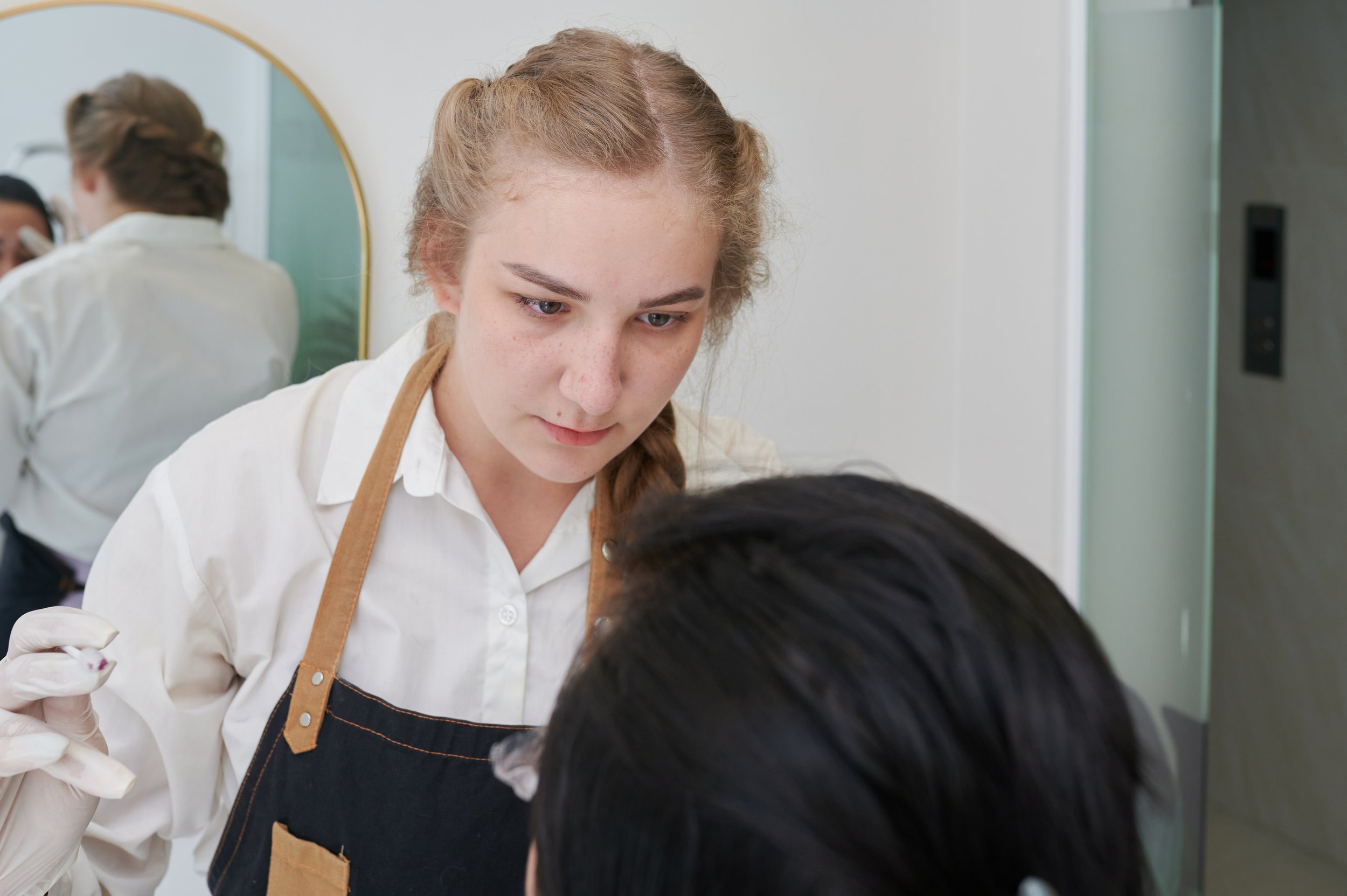
At CM Salon & Spa, every color consultation begins with a conversation about your scalp sensitivity and product history before any color is applied. If you have had a reactive scalp after coloring in the past, sharing that helps your colorist consider alternative formulas and a gentler approach. This is also where a patch test can be arranged. You can schedule a complimentary consultation or explore professional color correction in Chicago at our salon if a previous result needs fixing.
Conclusion
A home remedy for itchy scalp after hair dye, such as a cool rinse and a fragrance-free soother, works best when you also understand why the reaction happened in the first place. Most cases trace back to identifiable irritants like PPD, ammonia, peroxide, and fragrance, and they usually resolve with simple, gentle care. Understanding the causes, acting early, and focusing on prevention keep future coloring comfortable and put you back in control of your results at every appointment.
Frequently asked questions
-
Some itchy scalp after dyeing hair is common, especially brief tingling or light itching during and shortly after the process. This kind of mild reaction typically settles within a few hours once the product is rinsed away and the scalp is clean and dry. It is usually nothing to worry about. Anything that lasts well beyond a day, intensifies, or comes with redness and swelling is different and deserves closer attention rather than being brushed off as normal.
-
If you are wondering why your scalp is itchy after hair dye, the most common reason is the chemical ingredients in permanent hair dye. Compounds such as PPD, ammonia, hydrogen peroxide, and added fragrance can irritate the skin or, in some cases, trigger an allergic response. The itch is your scalp reacting to that contact. The causes section above breaks down each ingredient in more detail so you can better understand what may be behind your particular reaction.
-
A red itchy scalp after hair dye usually signals something stronger than simple dryness. When redness appears alongside itching, it often indicates a more reactive irritant response or a developing allergy rather than a scalp that is merely dry from the process. This combination is worth mentioning to your stylist so future color can be adjusted, and to a doctor if it spreads, swells, or fails to calm down with gentle care over the next day.
-
Item descriptionItchy bumps on the scalp after dyeing hair, or a raised rash-like texture, generally point toward an allergic response rather than ordinary dryness or mild irritation. Your skin is reacting to something it does not tolerate well. Avoid applying any further product to the area until the reaction is addressed, and resist scratching, which can worsen the skin. If the bumps spread, swell, or persist, treat them as a reason to consult a doctor rather than continuing home care alone.
-
Learning how to stop an itchy scalp after hair dye starts with removing the source. Rinse the scalp thoroughly with cool or lukewarm water to remove any lingering product, which often triggers the itch. Once the irritant is gone, keep the scalp calm with gentle, fragrance-free products and skip heat styling for a while. Give the skin time to recover. If the itch keeps returning or worsens, seek professional advice.
-
A reasonable home remedy for an itchy scalp after hair dye combines a few simple steps. Start with a cool or lukewarm rinse to wash out any remaining color, then follow with a mild, fragrance-free moisturizer or soothing aloe vera gel to calm the skin. Avoid harsh shampoos and hot tools while the scalp recovers. These measures suit mild irritation. If symptoms persist, spread, or worsen, it is time to seek medical advice.