
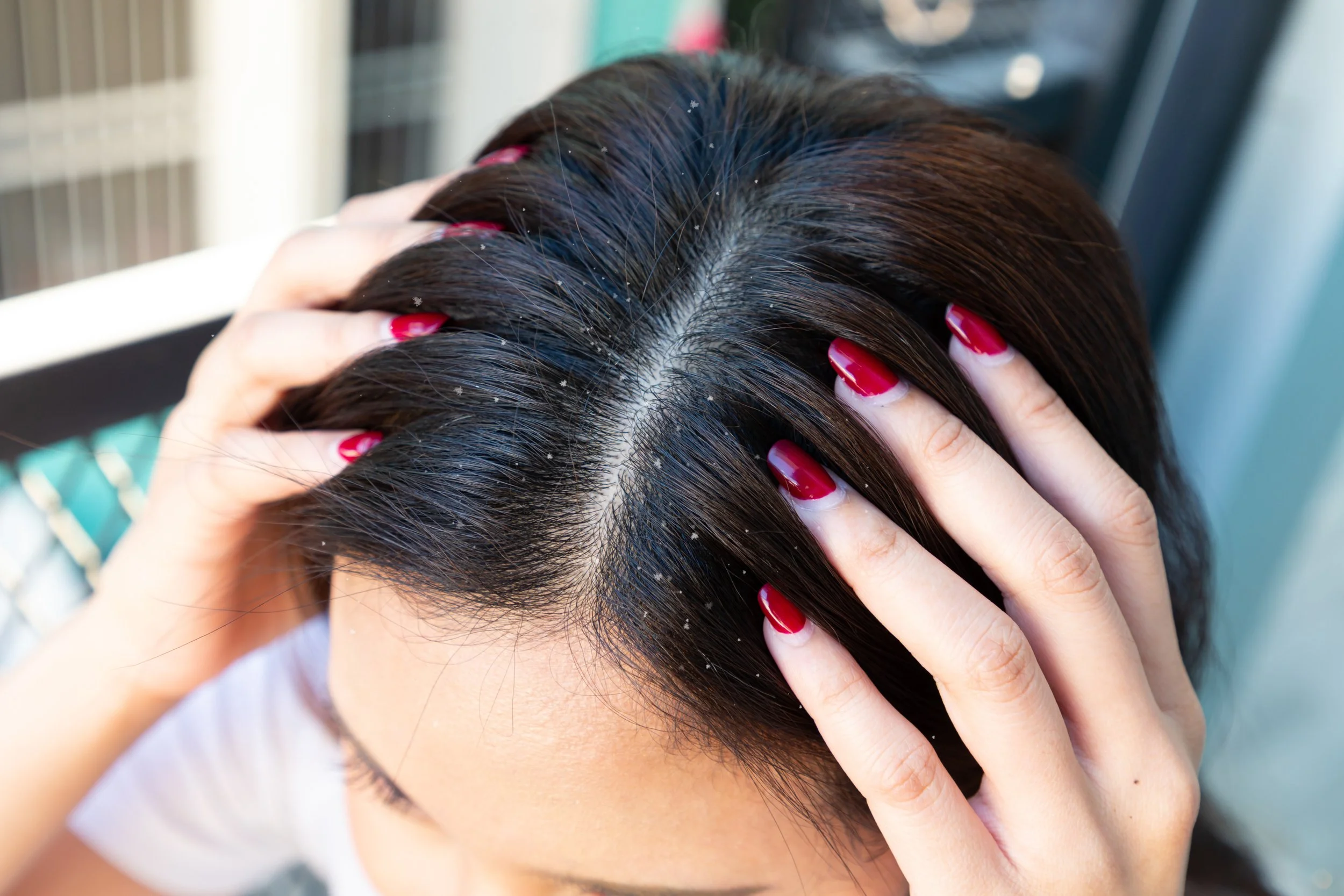
Noticing scalp flaking after coloring your hair can catch you off guard, and at CM Salon & Spa, we hear this question often. Mild flaking is common, but it is not something to simply live with. This guide sorts ordinary dryness from a chemical reaction and covers practical fixes for both.
Is Scalp Flaking After Hair Color Normal?
Some scalp flaking after coloring hair is common because color chemicals temporarily disrupt the scalp's natural balance. A short period of mild dryness, with small flakes that appear for a few days and then settle, is usually not a cause for concern. This kind of chemical stress fades as your skin barrier recovers. Flaking paired with redness, swelling, or lingering discomfort is a different situation, and we cover those warning signs later in this guide.
How Hair Color Chemicals Affect Your Scalp's pH
Your scalp naturally sits at a slightly acidic pH, which helps keep its protective barrier intact. Ammonia and similar alkaline agents used in color open the hair cuticle so pigment can deposit, temporarily raising the pH into a more alkaline range. That shift can leave the skin barrier drier than usual, and a drier barrier is more likely to flake in the days following a service. Understanding this makes the flaking easier to manage.
Flaking From Dryness vs Flaking From Dandruff
Dry-skin flaking tends to show up as small white flakes tied directly to your color timeline, appearing soon after the service and easing as the scalp rehydrates. True dandruff is different: it involves an overgrowth of a naturally occurring scalp microbe and can appear entirely independent of coloring. If your scalp is already prone to dandruff, a color service can make an existing flare more noticeable. Knowing which pattern you are seeing points you toward the right fix.
The Role of "Ammonia-Free" Formulas
Ammonia-free formulas still need to open the hair cuticle, so they rely on alternative alkaline agents to do that job. This means ammonia-free does not automatically mean scalp-friendly, since those alternative alkalizers can also shift your scalp's pH. The label is helpful information, not a guarantee of comfort. If scalp sensitivity is a concern for you, it is reasonable to ask your stylist what alternative ingredients a formula uses before your service begins.
Preparing Your Scalp Before a Color Appointment
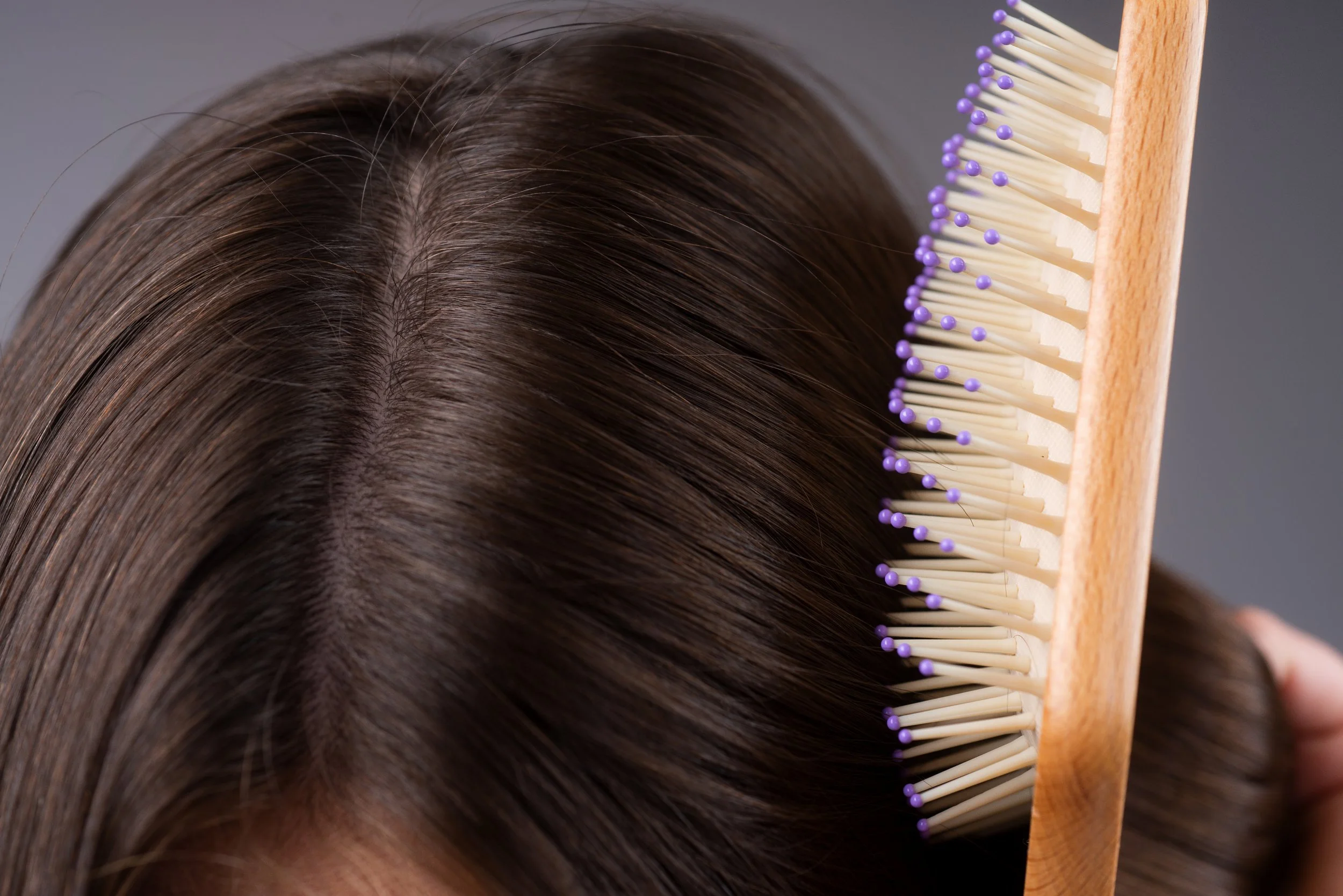
A little preparation before your appointment can reduce flaking. Skip washing your hair immediately beforehand so your natural oils can form a light protective layer over the scalp during the service. Some stylists also apply a scalp protector or barrier product along the hairline and part before applying color. These steps reduce the risk of dryness and flaking, though they do not eliminate them entirely. If your scalp reacts easily, mention it when booking.
Caring for Your Scalp in the Days After Coloring
In the days after coloring, reach for a gentle, color-safe shampoo rather than an aggressive anti-dandruff formula that can strip both moisture and pigment. Follow with a moisturizing conditioner to help restore hydration to the scalp and hair. Rinse with lukewarm rather than hot water, since heat draws out moisture and can leave an already stressed scalp drier.
Why Anti-Dandruff Shampoo Can Backfire Right After Color
Reaching for anti-dandruff shampoo the moment you see flakes is understandable, but it can backfire right after color. Standard anti-dandruff formulas are often not color-safe and can strip freshly applied pigment, shortening your color's lifespan. They can also further dry an already irritated scalp, making the flaking look worse rather than better. Give your scalp time to settle first, then choose a color-safe scalp product if flaking persists beyond the initial few days.
When Flaking Signals Something More Than Dryness
Sometimes flaking is a sign of more-than-ordinary dryness. Watch for flaking paired with redness, swelling, warmth, blistering, or discomfort that persists well beyond a few days. Intense itching or spreading irritation also belongs in this category. These signs suggest your scalp is reacting rather than simply drying out, and they are worth discussing with a doctor rather than managing with home care alone. Our related guide on an itchy scalp after color covers reaction symptoms in more detail.
How Often to Exfoliate a Color-Treated Scalp
Gentle scalp exfoliation every few weeks can help lift product buildup and dead skin without stripping your color. Buildup can trap flakes and dullness against the scalp, so occasional exfoliation keeps things clearer between washes. The key word is gentle: over-exfoliating strips natural oils and can worsen dryness, which defeats the purpose. Moderation matters most here. Ask your stylist for a color-safe exfoliation recommendation suited to your hair type and how recently you were colored.
Choosing Scalp-Friendly Products for Colored Hair
When choosing products for colored hair, look for sulfate-free, color-safe shampoo and conditioner. This combination protects both scalp comfort and color vibrancy, since sulfates can strip pigment and dry the skin. Fragrance-free options may feel gentler if you have a sensitive scalp that reacts to added scent. Reading ingredient labels is a reasonable habit for anyone prone to flaking, and it helps you spot harsh cleansers that can be hard on a freshly colored scalp.
How CM Salon & Spa Supports Scalp Health During Color
At CM Salon & Spa, a color consultation for sensitive scalps includes a conversation about scalp sensitivity and any past flaking or irritation. That history is not a formality. It informs formula selection, developer choices, and the application of color for a returning client. With 45+ years of combined experience, our colorists use this information to plan a service that keeps scalp comfort in view. Schedule a complimentary consultation to talk it through.
Conclusion
Scalp flaking after coloring hair is common when mild and short-lived, but it warrants attention if it lingers or arrives alongside redness, swelling, or discomfort. Most cases come down to a temporary pH shift and dryness, and a little preparation before your appointment, plus gentle color-safe care afterward, handles the majority of them. Match the fix to the cause, give your scalp time to settle, and reach out for professional guidance when something feels off.
Frequently asked questions
-
A hair dye allergy tends to look different from ordinary dryness. Instead of small white flakes that ease within days, an allergic reaction often brings noticeable redness, swelling, warmth, or blistering on the scalp, sometimes with intense itching. Ordinary dryness stays mild and settles as your barrier recovers. Because a true allergy can worsen and involve more than the scalp, these signs warrant medical attention rather than home care. When symptoms escalate, contact a doctor promptly instead of waiting.
-
If you are asking why my scalp is flaking after a fresh color, the most common answer is chemical-related dryness. Color products temporarily raise your scalp's pH to open the hair cuticle, and that shift leaves the skin barrier drier for a short time, which shows up as flakes. In most cases, this is mild and passes as your scalp rehydrates. The pH section above explains the mechanism in full if you want deeper detail.
-
Scalp flakes rarely mean permanent damage. In most cases, flaking is a temporary response to the drying effect of color chemicals on the scalp, not a lasting injury to the skin or hair. With gentle, color-safe care and a little patience, these flakes typically resolve within days as your scalp returns to its normal balance. Permanent concerns are far more likely when flaking comes with redness, swelling, or discomfort that does not fade, which is a reason to seek professional input.
-
The main causes of a flaky scalp after coloring usually overlap. A temporary pH shift from the alkaline agents in color opens the cuticle and dries the skin barrier, which is the most frequent trigger. Simple dryness from harsh aftercare or hot water can add to it. A scalp already prone to dandruff may also flare more visibly around a color service. Often these factors combine, so matching your care to the likely cause gives the best chance of relief.
-
Ordinary dry scalp symptoms are mild and predictable: small white flakes, a slightly tight feeling, and maybe light itching that appears near your color date and eases within days as hydration returns. There is no significant redness, swelling, or pain. More concerning signs point the other way, with flaking joined by noticeable redness, swelling, warmth, blistering, or discomfort that lingers well past a few days. That contrast is the quick test for whether gentle home care is enough or a doctor should weigh in.
-
A flaky scalp usually appears within the first day or two after coloring, as the temporary pH shift and dryness set in. For most people, mild flaking peaks early and then fades, resolving within about a week with gentle, color-safe care and lukewarm rinsing. If your flaking is still going strong beyond that window, or it arrives with redness, swelling, or discomfort, treat that as a signal to slow down on harsh products and consider professional or medical guidance.