
The real question behind every professional facial search isn't whether it works; it's whether it's worth it when a shelf of skincare products already sits at home. Both approaches genuinely help, but they work at fundamentally different depths. This post breaks down what each one actually does, where at-home care hits a ceiling, and how the two work together rather than compete.
What Counts as a Professional Facial
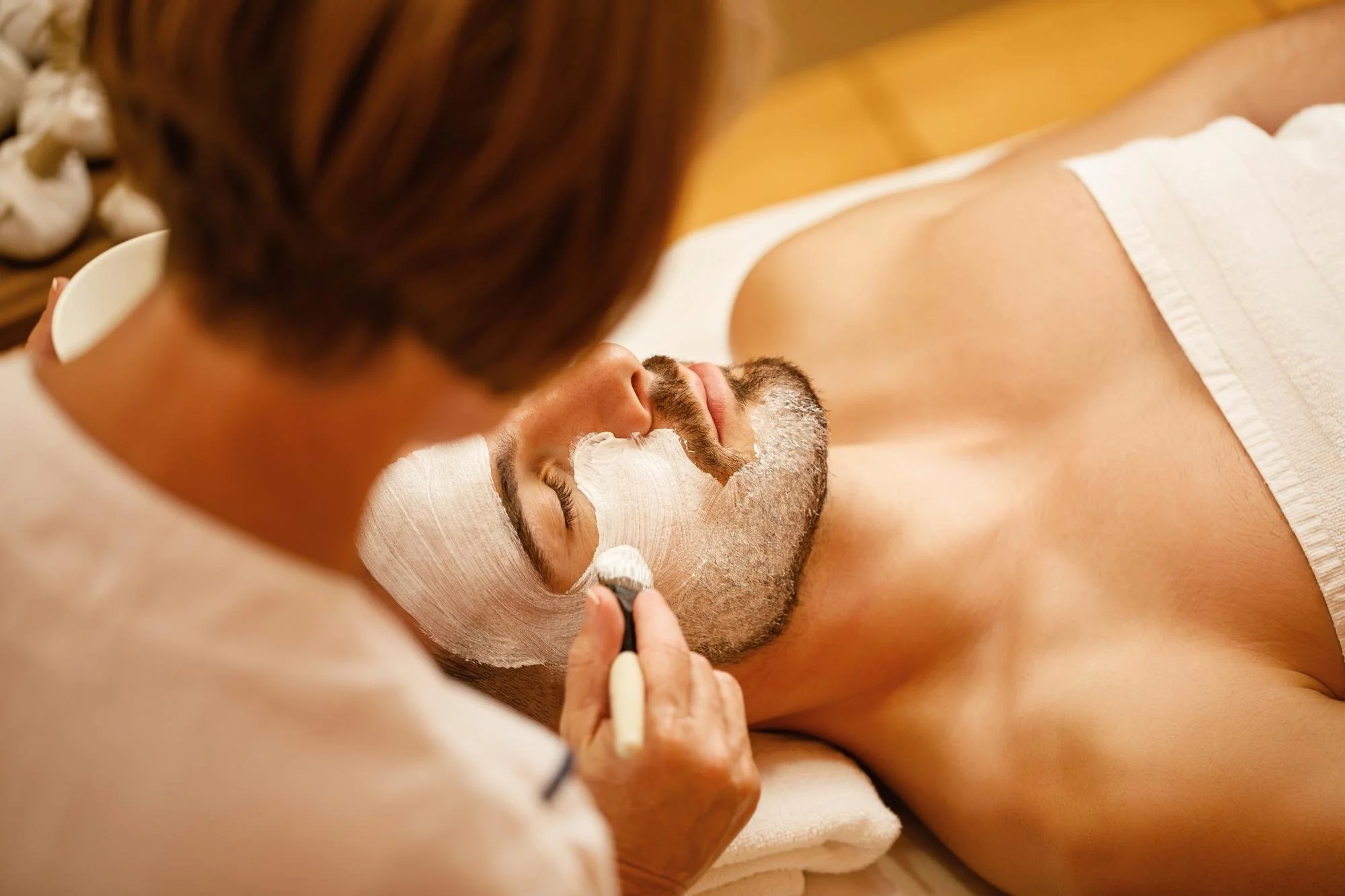
A professional facial is performed by a trained esthetician and follows a multi-step process tailored to the person's specific skin type. That typically includes cleansing to remove surface buildup, exfoliation to remove dead skin cells, extractions to unclog pores, and a mask suited to the concern being treated. Every step gets assessed and adjusted in real time by someone trained to actually read skin, rather than following a fixed routine regardless of what's needed that day.
What At-Home Skincare Actually Covers
Are facials good for your skin on their own, without any professional help? A solid at-home routine, cleansers, toners, exfoliators, serums, and moisturizers, does real work maintaining hydration and protecting the skin barrier daily. It's customizable to individual skin types and fits into a normal morning or evening routine with minimal effort. The limitation isn't the daily routine itself; it's what over-the-counter formulations are built to do. Regulations cap the potency of these products for safe, unsupervised use at home.
Why At-Home Products Hit a Ceiling
Are facials good for your skin when the routine is just over-the-counter products? Often, up to a point. Daily care prevents buildup and slows early signs of aging effectively, but it often lacks the potency to meaningfully address severe acne, deeper scarring, or more advanced signs of aging. That's not a failure of the routine itself; it's a ceiling built directly into what's legally allowed for unsupervised daily use. Over-the-counter formulations are capped at concentrations considered safe without professional oversight.
Why Deeper Cleansing Requires Professional Tools
Professional facials use specialized techniques that clear buildup regular washing simply leaves behind, including extractions that remove impurities from clogged pores. That kind of deep cleansing, done by hand and by someone trained to avoid damaging skin, isn't something an at-home routine is built to do safely. Improper extractions can cause scarring or infection, which is why the technique stays in the hands of trained professionals rather than becoming a step in a daily routine anyone can pick up casually.
Why Personalized Assessment Matters
Before a professional facial even begins, a licensed esthetician evaluates skin condition and adjusts the plan to actual concerns, not a generic routine pulled off a shelf. No two people have identical skin, even within similar age ranges or skin types, so a treatment built around one person's specific needs consistently outperforms a one-size-fits-all product lineup. That assessment step is often the real differentiator, more than any single product or technique used during the appointment itself.
Daily Habits That Still Matter
The American Academy of Dermatology points to daily sunscreen and a consistent skincare routine, cleansing and moisturizing included, as two of the most effective habits for healthy skin over time. Nothing about getting professional facials removes the need for that daily maintenance in between visits. The two aren't substitutes for each other. A great facial won't undo months of skipped sunscreen, and a solid daily routine won't replace what a deeper professional treatment can accomplish on its own, no matter how good the routine is.
How the Two Approaches Work Together
At-home care maintains skin health between visits, doing the steady, day-to-day work that keeps skin in reasonable shape. Professional treatment provides the deeper, targeted intervention daily products simply aren't built to deliver, addressing concerns that need more than surface-level upkeep. Used together, the two approaches reinforce each other rather than compete for the same job, creating a synergy neither can achieve alone. That's a more useful way to think about the comparison than picking a single winner.
How Chicago Male Salon Fits Into a Real Skincare Routine
Licensed estheticians at Chicago Male Salon start every visit with a consultation, then treat with IMAGE Skincare and PCA Skin product lines matched to the concern at hand. Options include Custom Rejuvenation, Acne Facial, Bespoke Facial, and chemical peel treatments, plus a microdermabrasion add-on for men who want a deeper reset. Facials are priced at approachable starting rates, making it easy to try a treatment without a major commitment before deciding what fits a longer-term routine.
What a Man's Skin Actually Deals With Day to Day
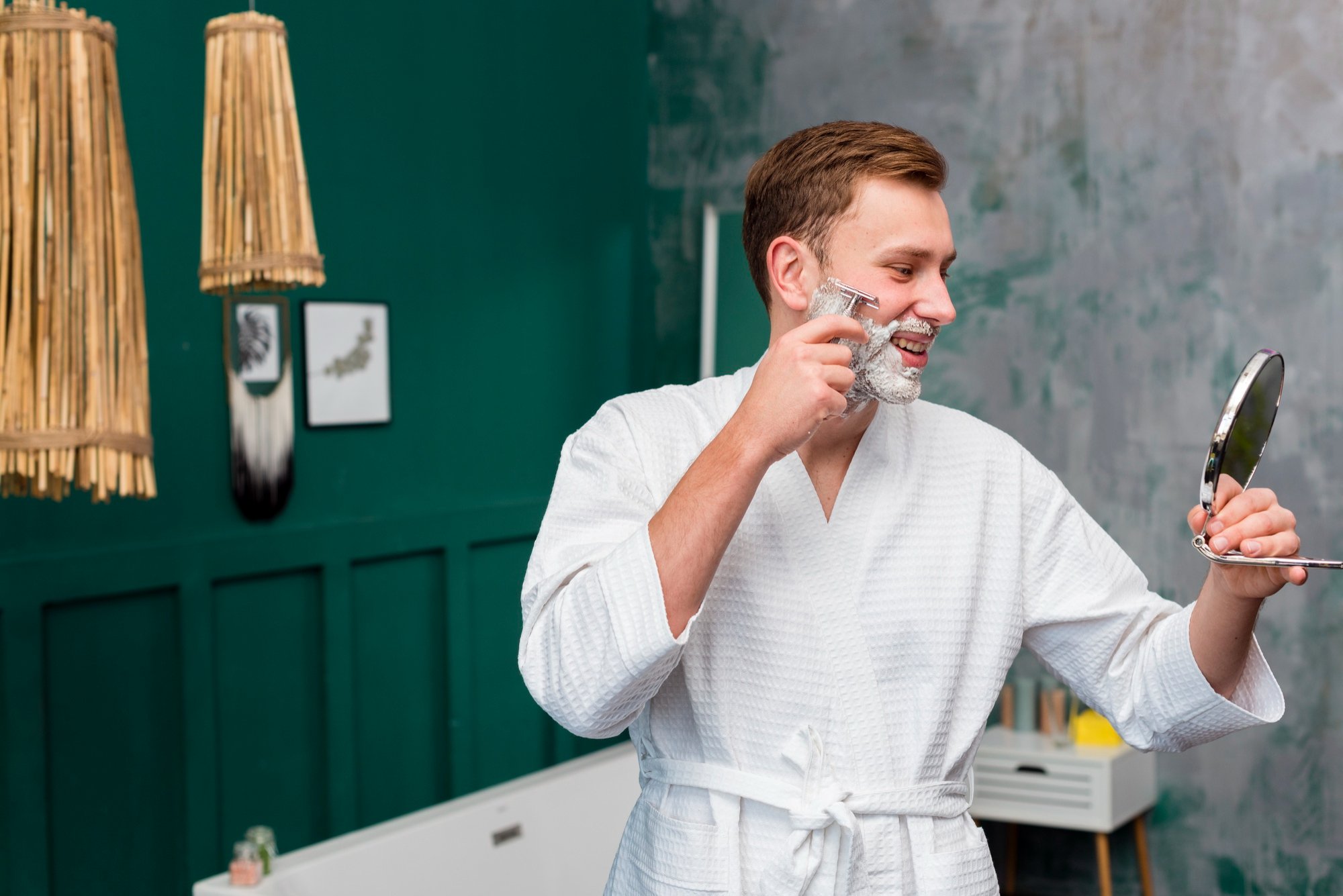
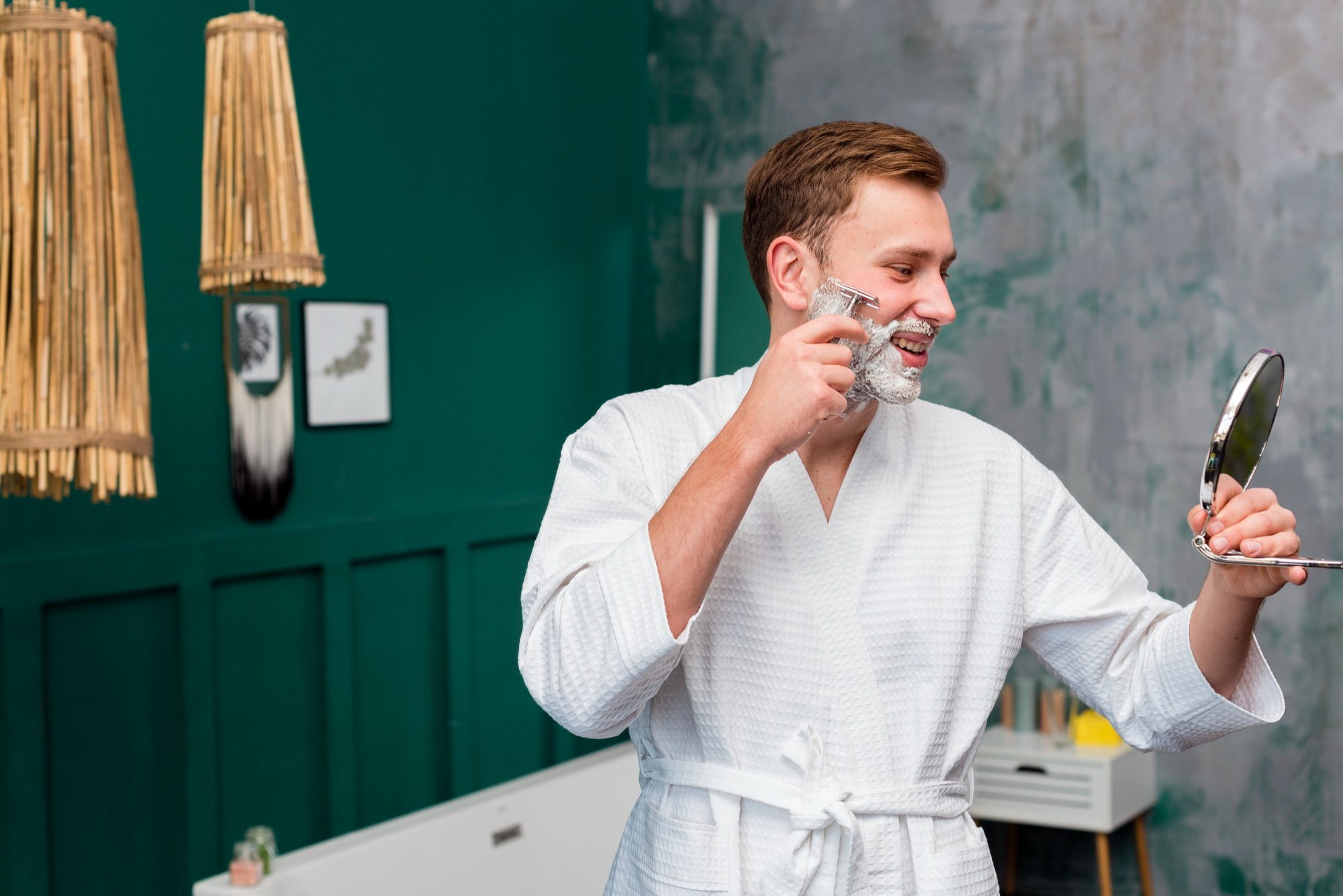
Daily shaving strips and irritates skin in a way most generic skincare comparisons never account for, creating micro-abrasions that a razor leaves behind every morning. Add oilier, thicker skin and regular outdoor exposure to wind, sun, and pollution, and the gap between what a drugstore routine can manage and what a professional treatment can correct tends to be wider than average. None of this makes daily care pointless; it just means the ceiling gets hit sooner, especially for men who shave daily.
How to Tell When It's Time for a Professional Reset
If a routine that used to work has quietly stopped showing results, that's usually the first sign a home routine has hit its ceiling. Visible buildup, dullness, or persistent breakouts that stick around despite consistent daily care are the clearest signals worth paying attention to. A stalled routine doesn't always mean the products are wrong; sometimes it means skin needs a deeper reset than daily care alone can provide. A single professional treatment often resets skin in a way products can't replicate.
Realistic Expectations: What Changes and What Doesn't
Right after a facial, skin typically feels smoother and looks noticeably brighter almost immediately. Because the treatment goes deeper than daily products can, results generally last longer than an at-home routine alone, sometimes lasting a couple of weeks depending on the treatment. That said, one visit isn't permanent, and it was never meant to be. Lasting improvement still depends on consistent care in between appointments, not a single reset carrying the whole routine indefinitely on its own.
Conclusion
A professional facial and an at-home routine aren't competing for the same job, even though the comparison often gets framed that way. Daily products maintain what's already working; professional treatment corrects and resets at a depth home care simply isn't built for. Neither one replaces the other, and trying to pick a single winner misses the point entirely. The strongest routine uses both. Call or text (773) 281-6005 to book your appointment, or schedule online.
-
At-home routines maintain baseline skin health reasonably well, but they generally can't match the depth of a professional treatment. A facial is performed by a trained esthetician using techniques and tools designed to deliver more targeted, deeper results than daily products alone can achieve. For general upkeep, at-home care holds up fine. For deeper concerns, the gap between the two becomes obvious fairly quickly, which is usually where the investment starts to make the most practical sense.
-
A professional facial is a skincare treatment performed by a trained esthetician, typically involving a multi-step process tailored to skin type and specific concerns. That usually includes cleansing, exfoliation, extractions, and a mask suited to whatever the skin needs that day, with the exact steps adjusted in real time rather than following a fixed script. It's less a single treatment and more a customized sequence built around one person's skin at that particular moment in time.
-
No, professional facials don't replace at-home skincare, and they were never meant to. The two approaches work synergistically rather than one substituting for the other. Regular at-home care maintains skin health between visits, while professional treatment provides the deeper, targeted intervention daily products simply aren't formulated to deliver. Dropping one doesn't improve the other's results, it just leaves a gap. The strongest outcomes come from keeping both parts of the routine consistent over the long run.
-
Professionals apply medical-grade products as part of a supervised treatment, paired with techniques like deeper exfoliation and specialized procedures that can stimulate collagen production more effectively than daily products alone. Over-the-counter products, by contrast, are formulated for safe, unsupervised daily use, which naturally limits their strength compared to what's used in a professional setting. That difference in concentration and application, not just the product itself, is what accounts for most of the gap in results between the two options.
-
Not reliably. At-home routines help prevent buildup, dryness, and early signs of aging, and that's genuinely valuable work. But they often lack the potency to meaningfully treat significant acne or noticeable scarring on their own. Those concerns generally respond better to professional-level intervention, including deeper exfoliation and specialized procedures that go beyond what's legally available for unsupervised use. Trying to solve deeper concerns with surface-level products alone usually leads to frustration rather than real progress over time.
-
Yes. The American Academy of Dermatology identifies daily sunscreen use and a consistent skincare routine as two of the most effective habits for long-term skin health. Regular facials don't replace that daily maintenance; they add a deeper layer of care on top of it. Skipping the daily routine because facials are happening regularly usually shows up as slower progress and less consistent results overall, since neither one is designed to carry the full workload alone.