
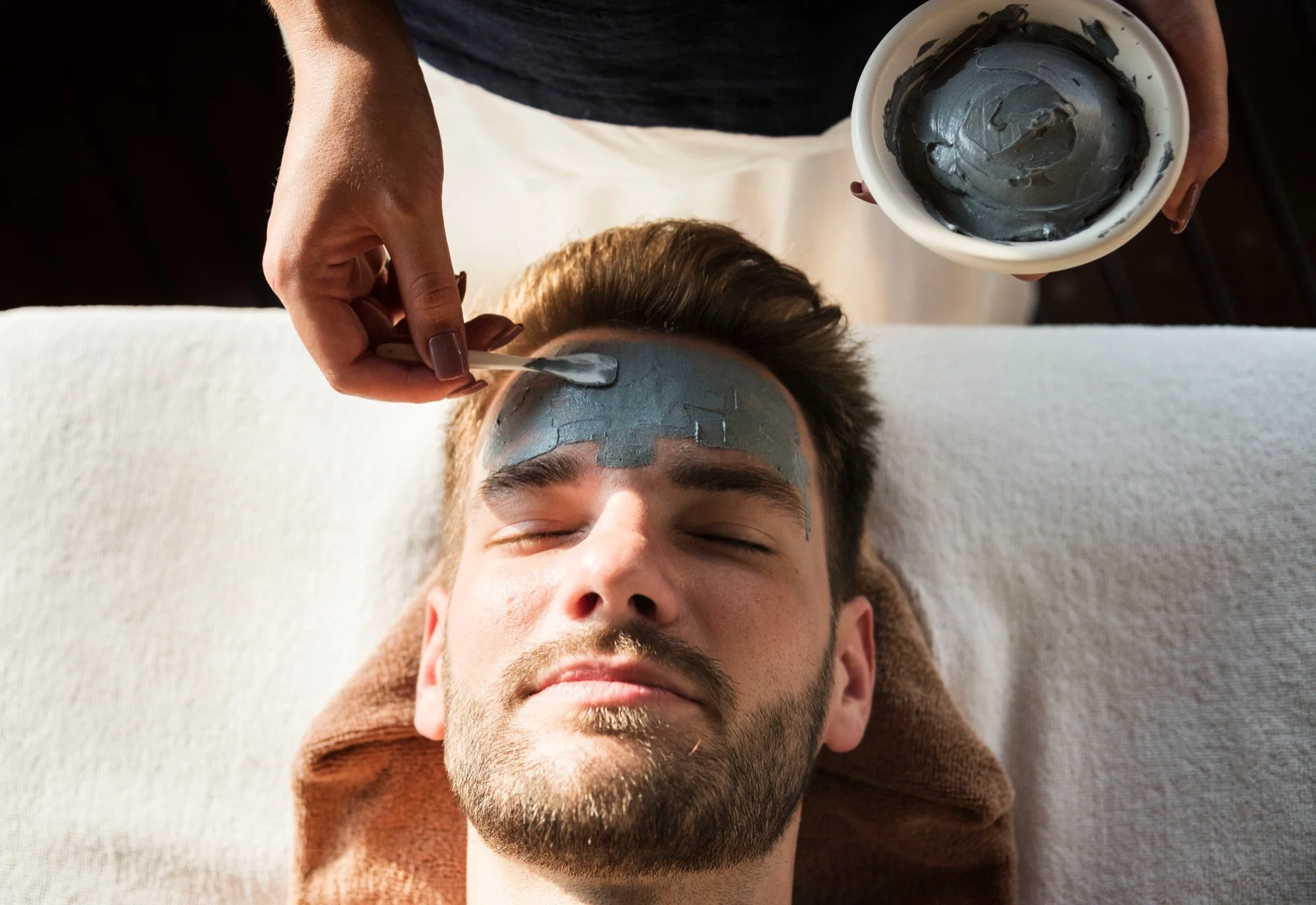
Do men get facials? Yes, and more of them than most guys assume, even if the idea still feels unfamiliar to a lot of first-timers. That hesitation is normal, but it usually fades fast once the actual process is laid out. This guide covers what really happens during a facial, how to prepare beforehand, what to do afterward, and how often it's worth going back.
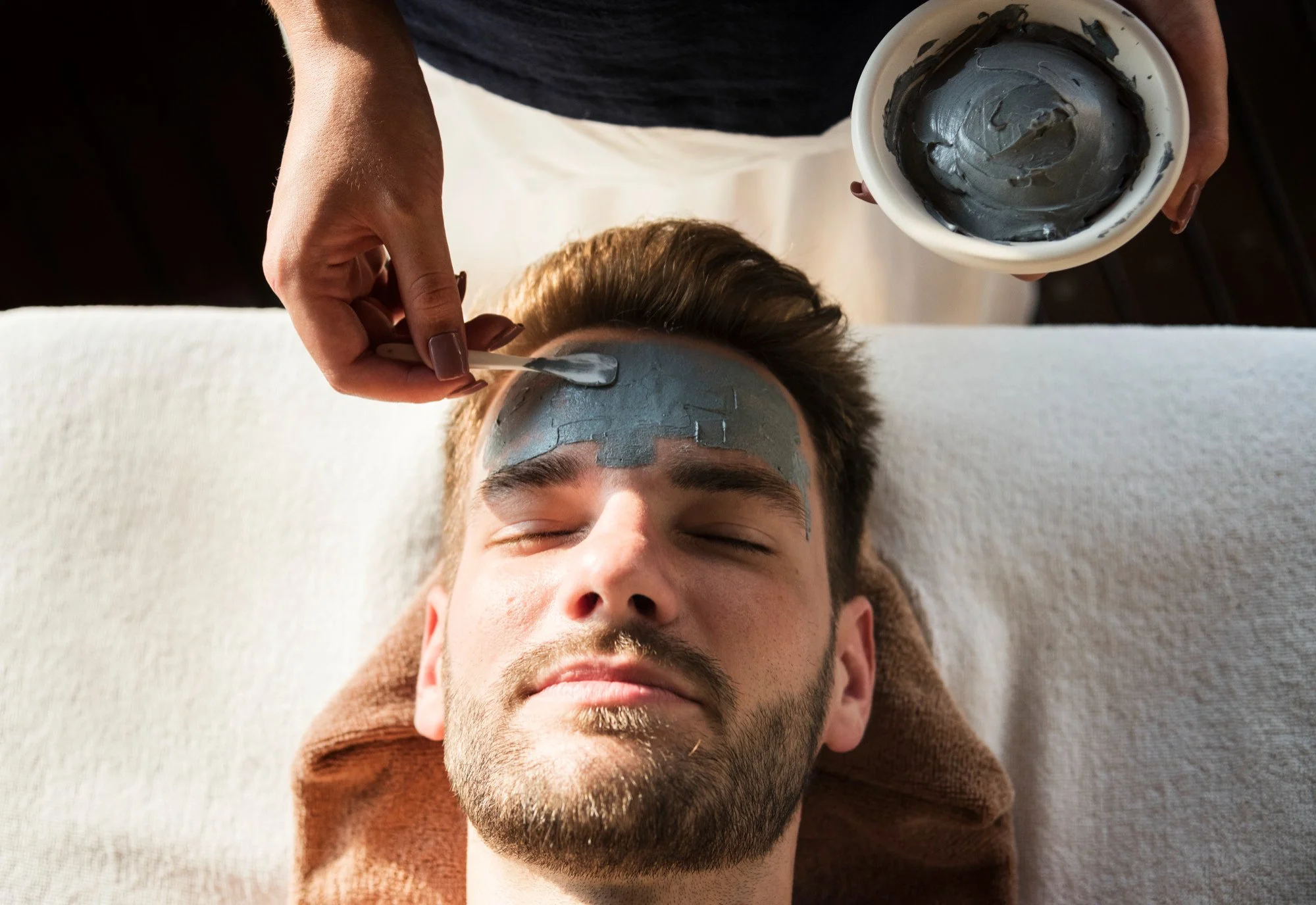
Yes, Men Get Facials: It's More Common Than You Think
To directly answer the question of whether men get facials: yes, and more than most people assume. A men's facial still makes up a relatively small percentage of most spas' overall business, but that share is growing steadily year over year. Estheticians report that more men are asking specific, informed skincare questions than they used to, rather than just showing up for a one-off gift certificate visit. The demographic shift is real, even if perception hasn't fully caught up yet across the board.
Why Men Hesitate to Book Their First Facial
The hesitation behind whether men get facials usually comes down to two things. Some men worry a facial feels indulgent, or even a little unmanly, before they've ever tried one. Others simply don't know what to expect and feel awkward walking in without any sense of what happens next. Neither reason holds up once the actual process gets laid out step by step. Most of the hesitation disappears within the first few minutes of the actual appointment.
What Happens During a Typical Facial, Step by Step
A typical facial moves through a clear sequence: cleansing to remove surface oil and dirt, exfoliation to clear away dead skin cells, extractions to unclog congested pores, a mask matched to skin type, and a closing massage to finish. Some sessions also spend extra time on specific areas like the eyes or neck, depending on what's being addressed. Knowing the order ahead of time takes most of the mystery out of a first appointment, since nothing about it is a surprise once it starts.
Why the Warm Towel and Massage Step Matters
The warm towel step isn't just a nice touch, it opens pores so the cleansers underneath can actually do their job more effectively. The facial massage that follows works the same way: it isn't purely relaxing, it promotes blood flow, which helps deliver nutrients to skin cells and clear away waste more efficiently than skin can manage on its own. Both steps look like pampering from the outside, but they're doing real, functional work the rest of the treatment depends on.
Types of Facials for Different Skin Concerns
A facial isn't one fixed treatment. Acne-fighting versions target clogged pores and active breakouts, age-defying versions focus on fine lines and firmness, and brightening versions work on evening out uneven tone. Which category makes sense depends entirely on what's actually going on with someone's skin, not a one-size-fits-all default. Session length typically runs 30 minutes to an hour, depending on how many concerns are being addressed and how many extra steps the treatment actually requires.
How to Prepare Before Your First Facial
Skip trying a first facial, a new type of facial, or a new provider right before a big event, since skin sometimes needs a day or two to settle afterward. In the days leading up to the appointment, avoid skincare products containing acids so skin isn't already sensitized going in. That includes retinol, glycolic, or salicylic-based products from the regular routine. A short prep period like this makes the actual treatment more predictable and reduces the odds of any unexpected reaction.
What to Do After Your Facial
Skip acids for a couple of days afterward, the same rule that applies before the appointment. Sunscreen becomes especially important post-facial, since a few layers of skin have just been removed, leaving it noticeably more sun-sensitive than usual, even on a cloudy day. Keep the rest of the routine gentle for those first 48 hours: no harsh scrubs, no new active ingredients, nothing that could aggravate skin that's still settling. Simple aftercare protects the results the treatment just delivered.
What a First Facial Looks Like at Chicago Male Salon
Every facial at Chicago Male Salon starts with a consultation, so the esthetician can match the treatment to skin type and goals before anything else happens. Licensed estheticians work with IMAGE Skincare and PCA Skin product lines, chosen for their range across different skin concerns. Options include Custom Rejuvenation, Acne Facial, and Bespoke Facial treatments, each priced at approachable starting rates that make a first visit easy to commit to without overthinking the decision beforehand.
What Questions to Ask Before Your First Appointment
Before booking a men's facial for the first time, it helps to walk in with a short list of questions ready. Ask what the treatment plan actually addresses for your specific skin concerns, rather than accepting a generic answer. Mention any product sensitivities or allergies up front, especially with fragrance or certain active ingredients, so the esthetician can adjust accordingly. Confirm how long the session runs and whether it includes extractions, since those can leave temporary redness worth planning around before a big event.
How Facials Fit Into a Simple Grooming Routine
A facial fits the same maintenance logic as a regular haircut or a beard trim: it's upkeep, not an overhaul or a special occasion event. Skincare maintenance works best on a consistent cadence, similar to how hair looks better with regular trims instead of one big fix every few months. Pairing a facial with a haircut appointment turns a routine grooming stop into a full reset, without adding a separate errand or a separate trip to the calendar.
Facial Duration: What a First Appointment Actually Involves Time-Wise
Most facials run somewhere between 30 minutes and a full hour, depending on which skin concerns are actually being addressed that day. A straightforward cleansing-focused session tends to run on the shorter end of that range, closer to 30 minutes. A treatment targeting acne, visible aging, or persistent dryness, with extra steps like extractions or a targeted mask, usually runs closer to the hour mark. Session length is generally confirmed during the consultation, before the treatment even starts.
Conclusion
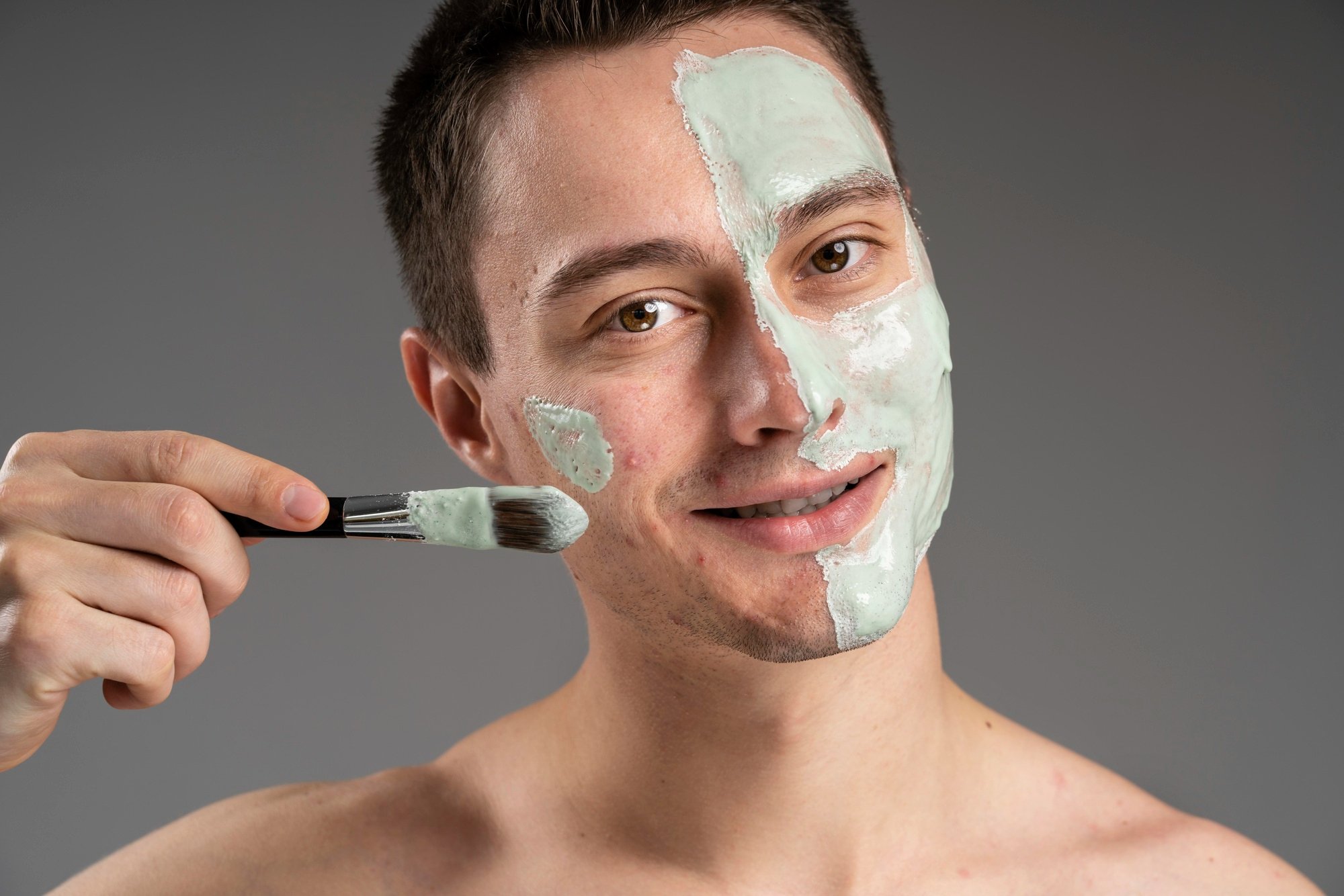
Do men get facials? Yes, and the process is more straightforward than the hesitation around it usually suggests: a consultation, a clear step-by-step treatment, and simple aftercare afterward. The only real barrier standing between most first-timers and a facial is booking the appointment itself, not anything about the actual treatment process. Once that first visit happens, most of the nervousness disappears fast and doesn't come back for the second one. Call or text (773) 281-6005 to book your appointment, or schedule online.
-
Yes, men get facials, and it's a growing part of the skincare industry overall. Facials for men still make up a smaller share of most spas' business than treatments for women, but that gap has been narrowing steadily. Estheticians report more men asking specific, informed skincare questions than in past years, rather than showing up with no idea what to expect. The stigma around it is fading faster than the service itself is actually changing.
-
It depends on skin type and personal goals, but most men benefit from a facial roughly every four to six weeks. That interval lines up closely with how skin naturally renews itself at the cellular level, which gives enough time to actually see results between visits without over-treating in the meantime. Men managing active acne or specific concerns sometimes go slightly more often, while a general maintenance visit can stretch a little longer without losing much benefit.
-
Most facials run somewhere between 30 minutes and a full hour. A quick cleansing-focused session tends to land on the shorter end of that range, since it skips some of the more involved steps. A treatment addressing acne, visible aging, or dryness, with extra steps like extractions or a targeted mask, usually takes closer to the full hour. Either way, the esthetician typically confirms expected length during the consultation before the actual treatment gets underway.
-
Avoid skincare products containing acids in the days leading up to the appointment, since they can leave skin more sensitive going in than it needs to be. It's also worth skipping a first-time or new-type facial right before a big event, in case skin needs a day or two to settle afterward. Retinol, glycolic, and salicylic-based products all fall into that same category and are worth pausing briefly beforehand. When in doubt, ask the esthetician what to hold off on.
-
Yes. Beyond the standard cleanse, exfoliate, and mask sequence, a treatment can spend extra time on specific areas like the eyes, nose, or neck, depending on individual concerns. Someone dealing with under-eye puffiness or texture around the nose can flag that ahead of time so the esthetician adjusts the plan accordingly. A quick consultation before the session starts is the best way to make sure those specific areas actually get addressed instead of a generic, one-size-fits-all approach.
-
A facial removes a few layers of skin through exfoliation and extractions, which leaves it noticeably more sensitive to sun exposure than usual. Sunscreen is a good daily habit in general, but it matters even more in the day or two right after a treatment, when skin is still settling and more vulnerable to damage. Skipping it during that window can undo some of the benefit the facial just provided, so it's worth building into the routine either way.