
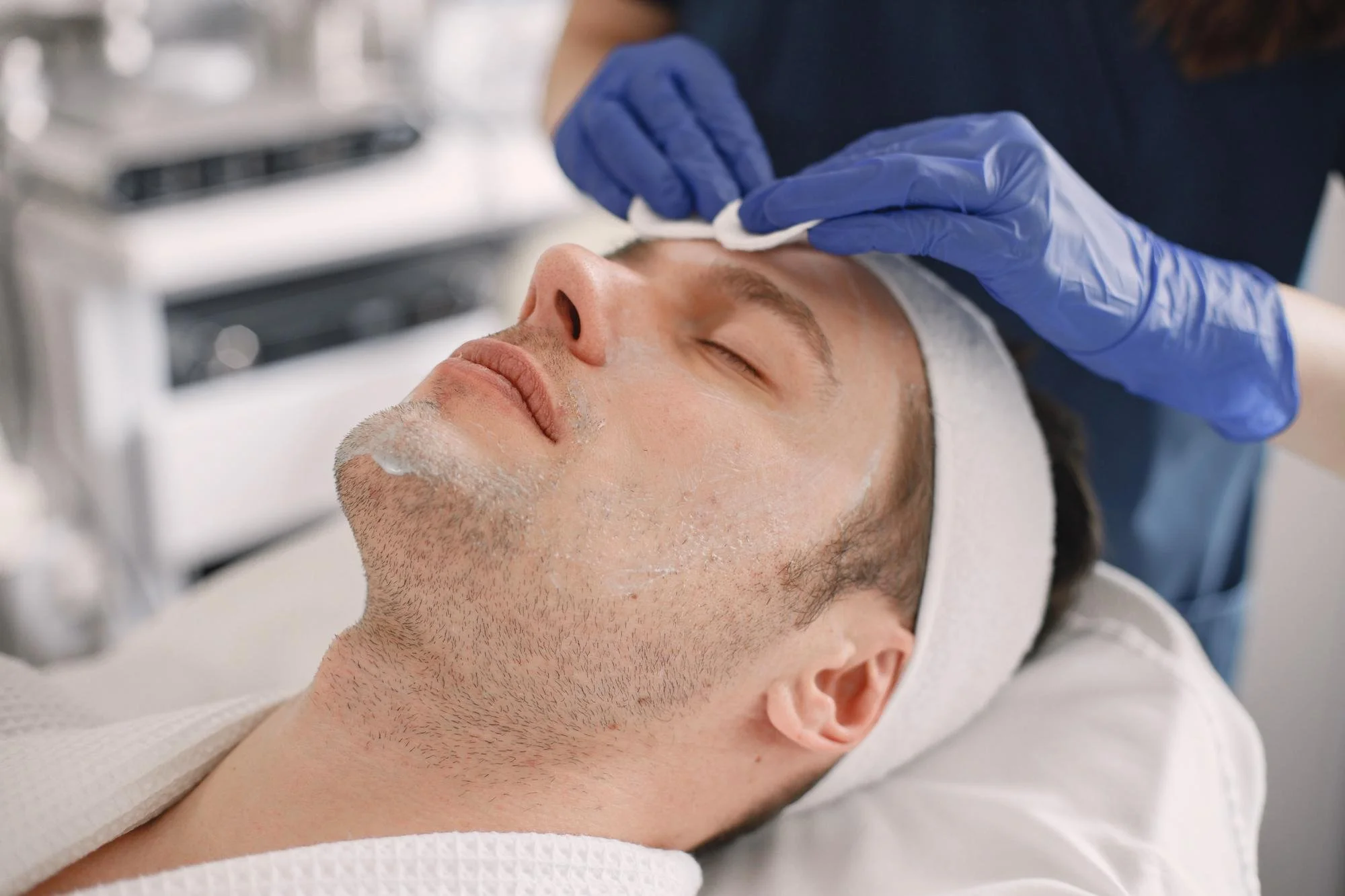
If you've heard about PCA Skin peels and want to understand exactly what the treatment involves before you commit, this guide covers everything. What a PCA peel is, which formula is right for your skin, what the experience feels like in the chair, and a day-by-day recovery timeline built specifically around how men actually live. No generic spa language. Just the details you need to make a confident decision about a chemical peel for men.
What Is a PCA Peel and Why Is It Different From a Standard Chemical Peel
PCA Skin is a professional skincare brand established in 1990 that offers a line of certified in-office chemical peels applied exclusively by trained and authorized providers. The brand is not a retail product you can buy and apply at home. Every treatment is performed by a certified professional using clinical-grade formulas designed for in-office use.
What separates a PCA peel from a standard chemical peel comes down to formulation and application method. Most traditional chemical peels are single-acid treatments, meaning a provider applies one acid at a specific concentration, times the application, and then neutralizes it. PCA peels use modified Jessner formulas built from blended acids, typically lactic acid, salicylic acid, and in stronger options, TCA (trichloroacetic acid). This multi-acid approach allows the formula to target multiple skin concerns at the same time rather than applying concentrated pressure through a single acid pathway.
The application method is equally distinct. PCA peels are self-neutralizing. The solution is applied in controlled layers rather than timed and removed. Each layer is monitored for skin response before the next is applied. The final strength of the treatment is determined by how many layers are used, not by the acid concentration alone. This gives the provider a high degree of control and significantly reduces the risk of over-treating, which is particularly relevant for men whose skin often presents with greater thickness and higher oil production than what standard peel protocols are designed around.
For men, the customizability of PCA's system is a meaningful advantage. Thicker male skin can tolerate and benefit from layered application in ways that a fixed single-acid protocol may not accommodate as precisely. The result is a treatment that can be calibrated to your skin's actual condition on the day you come in, not applied as a one-size-fits-all chemical exposure.
PCA peels promote collagen production, accelerate cell turnover, and address surface irregularities ranging from mild texture to post-acne scarring and pigmentation. Superficial PCA peels concentrate on the top layer of skin with minimal downtime. Blended and medium-depth options penetrate further for more targeted correction. Both approaches are available, and the right choice depends on your skin assessment, not your preference for how dramatic the results should be.
Which PCA Peel Is Right for Men's Skin
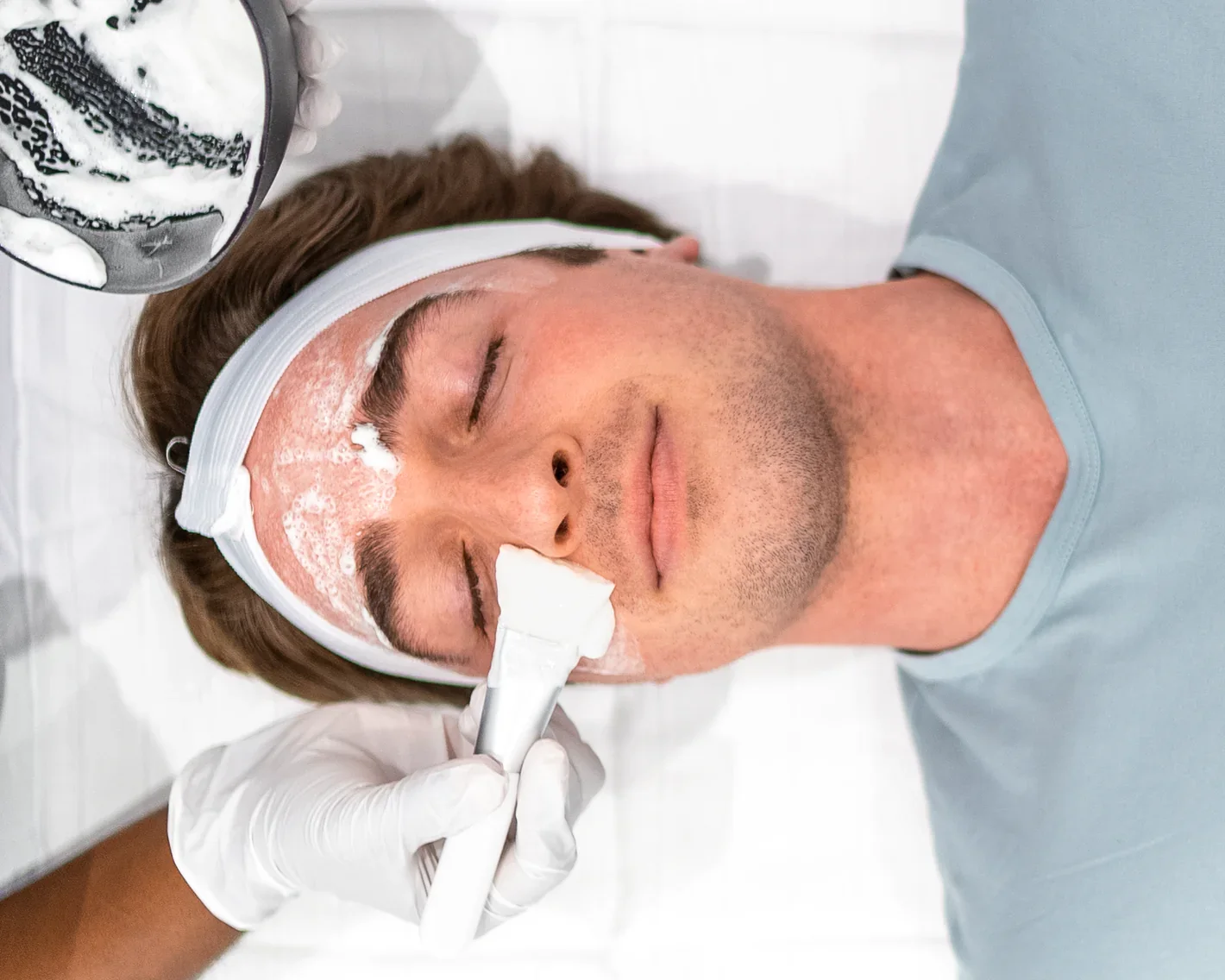
Most men entering a consultation don't know which PCA peel they need, and that's exactly how it should be. Peel selection is the provider's job. But understanding the main options helps you come in with realistic expectations and ask the right questions. Here's a practical breakdown.
PCA Peel with Hydroquinone-Free Jessner's
This is the enhanced Jessner formula using 14% lactic acid, 14% salicylic acid, and 14% resorcinol. The three-acid combination exfoliates at the surface, penetrates pores to address congestion, and supports overall skin tone correction.
This peel is the most common starting point for men who are acne-prone, dealing with oily skin, or looking for general skin rejuvenation without a specific condition to target. It's effective, well-tolerated, and appropriate for men who are new to professional peels but want results beyond what a light glycolic treatment delivers.
PCA Sensi Peel
The Sensi Peel is designed for sensitive and reactive skin types. It uses a low concentration of TCA at 6% alongside brightening and soothing ingredients, making it the most conservative option in PCA's treatment lineup.
The formula is safe across all Fitzpatrick skin types from I through VI, which makes it particularly valuable for men with darker skin tones who are often excluded from peel protocols due to pigmentation risk. If you have redness-prone skin, have never had a professional chemical peel, or react poorly to products with active acids, the Sensi Peel is typically where a careful provider will start. It strengthens the skin barrier and brightens tone without triggering the aggressive visible peeling that more intensive formulas produce.
PCA Ultra Peel and Ultra Peel Forte
The Ultra Peel series operates at a higher TCA concentration, ranging from 10% to 20% depending on the formula. These are the options for men who have more significant concerns to address: deep acne scarring, substantial sun damage, uneven pigmentation from years of outdoor work or sports exposure, or smokers' skin that has become rough and discolored over time.
Ultra Peel Forte at 20% TCA is the most aggressive option in the PCA lineup. It is reserved for resilient Fitzpatrick Type I through III skin and requires a provider who is experienced with medium-depth peels. This is not a starting peel. Clients who begin their PCA journey with a Jessner or Sensi Peel and build a treatment history with their provider are the appropriate candidates. The aftercare commitment is also more demanding than lighter options.
What to Expect Before Your PCA Peel
Preparation before a PCA peel has a direct impact on your results and your recovery. Skipping prep steps doesn't make the treatment easier. It makes outcomes less predictable.
Your treatment begins with a consultation with a PCA Skin certified professional who will assess your skin type, your concerns, and your treatment goals. During this conversation, disclose everything: your current skincare products, any medications you take, and your medical history. Isotretinoin use is a contraindication for chemical peels. If you've been on it recently, that affects the timeline for when you can safely receive treatment. Your provider will specify exactly how long to wait.
Approximately one to two weeks before your peel, your provider may ask you to use specific PCA prep products to condition your skin and maximize penetration on treatment day. Retinoid products and exfoliating acids should be stopped before the peel, and your provider will give you a specific window for how far in advance to discontinue them.
Avoid tanning beds and prolonged sun exposure for at least two weeks prior. Freshly sun-damaged skin is not appropriate for chemical peel treatment.
For men specifically, the shaving question matters. Stop using alcohol-based aftershave products three to five days before your appointment. The day of treatment, shave in the morning before you come in, but not immediately before. Give the skin at least a few hours to settle after shaving. Raw or razor-irritated skin is not ideal for peel application.
If you're buying a PCA peel as a gift for a partner, note that PCA peels carry specific restrictions during pregnancy and nursing. This is worth knowing before purchasing as a gift for someone who may be in that situation.
What Happens During a PCA Peel Treatment
The in-chair experience is straightforward and, for most men, much more manageable than expected. Treatment time runs approximately 30 to 45 minutes from start to finish.
Your skin is thoroughly cleansed at the start to remove oil, debris, and any remaining product residue. This step matters because residue on the skin surface affects how evenly the peel solution penetrates. Your provider will then apply the PCA solution in controlled layers, pausing between each application to assess how your skin is responding.
The self-neutralizing formula means there is no harsh removal step at the end. With traditional peels, the provider has to time the application precisely and actively remove the acid before it penetrates too deeply. PCA's formulas don't require that. The provider controls depth through the number of layers applied and monitors your skin's reaction at each stage.
In terms of sensation, most men describe the experience as a warming or tingling feeling, occasionally mild stinging during the first few seconds after application. This is not sharp pain. It subsides quickly, typically within one to two minutes per layer, and is manageable without any numbing or anesthesia.
Men with thicker skin may receive additional layers to achieve adequate acid penetration. This is normal and not a cause for concern. It means the provider is calibrating the treatment to your skin's actual structure rather than applying a default protocol.
After the final layer, calming and recovery products are applied to support the skin barrier. You'll leave the appointment with a healthy, refreshed appearance. Most men return to normal daily activities the same day.
Ready to experience it for yourself? Visit our chemical peels for men page to learn more and book your consultation.
PCA Peel Recovery: A Day-by-Day Aftercare Guide for Men
The recovery phase is where most men run into problems, not because PCA peels are difficult to recover from, but because the generic aftercare instructions most providers hand out weren't written with men's daily lives in mind. What follows is a men-specific recovery timeline.
Day 0: Immediately After Treatment
Your skin will appear pink or flushed after the appointment, similar in appearance to mild sunburn. This is normal and temporary.
Do not wash your face, apply additional products, or wear any cosmetic products for the rest of the day. The treatment is still working at the surface level, and disrupting it in the first few hours affects your outcome.
Do not shave the treated area for at least 24 hours. Even a careful shave will disturb the skin surface before it has had time to begin the recovery process.
Skip the gym. No sweating for 48 hours after treatment. Sweat introduces bacteria to sensitized skin and interferes with healing. This applies to cardio, weights, hot yoga, anything that elevates body temperature.
Days 1 to 3: Tightness and Early Flaking
Skin will feel tight and may appear slightly darker or bronzed in tone before the flaking process begins. This is the treated skin moving toward the surface before it sheds.
Begin gentle cleansing with a soft, non-active cleanser and apply your recommended moisturizer. PCA Apres Peel Hydrating Balm is a provider-recommended recovery product, though your specific provider may suggest an alternative based on your skin type.
Apply SPF 30 or higher sunscreen every morning without exception. Post-peel skin has temporarily compromised UV protection and is significantly more vulnerable to sun damage than normal. This step is non-negotiable.
Do not pick, pull, or scrub any flaking skin. Forced removal of peeling skin disrupts the healing process and can cause hyperpigmentation, particularly in darker skin tones. Let the skin shed on its own schedule.
If you're shaving during this window, use a clean, sharp blade with zero applied pressure and skip any alcohol-based aftershave entirely. Use a gentle, fragrance-free moisturizer in place of aftershave until the recovery phase is complete.
Avoid hot showers, steam rooms, saunas, and chlorinated pools for at least the first three days.
Days 4 to 7: Active Peeling Phase
This is the period when visible flaking intensifies. Some men experience what's called sheeting, where larger patches of skin lift and shed. Others see only mild flaking similar to dry winter skin. Both responses are within the normal range.
Importantly, not every man will experience obvious visible peeling. PCA peels promote cellular exfoliation at a level that doesn't always produce dramatic visible shedding, particularly with lighter formulas. If you're not peeling visibly, that does not mean the treatment didn't work.
Continue moisturizing frequently throughout the day, applying product whenever skin feels tight rather than on a fixed schedule. Hydration is the priority during this window.
Avoid retinoids, AHAs, BHAs, and any other active exfoliants for five to seven days post-peel. Your skin is already in an accelerated turnover state, and layering additional actives on top of that slows recovery and risks irritation.
Men who work outdoors or participate in outdoor sports: SPF reapplication every two hours is essential during this phase. A hat adds meaningful protection for the face and ears. Sun exposure on actively healing post-peel skin produces uneven pigmentation and undermines your results.
Day 7 and Beyond: Results Emerge
Most visible peeling is resolved by the end of day seven. What follows is the payoff: brighter, smoother, more evenly toned skin that looks like a better version of what you started with rather than an obviously treated face.
You can resume your normal skincare routine and your full shaving schedule. Your provider may recommend specific PCA daily care products to support and maintain your results between sessions. A consistent at-home routine extends how long your peel results last and prepares your skin for the next treatment in your series.
For detailed aftercare guidance beyond this timeline, visit our post-peel recovery page.
What Men at Chicago Male Salon Experience With PCA Peels
Chicago Male Salon offers PCA peels in a men-only environment. There is no spa aesthetic to navigate, no ambient experience designed for someone else. The space, the staff, and the treatments are built around men's grooming and skincare.
Every provider at Chicago Male Salon is trained in PCA Skin protocols and certified to select and apply the appropriate peel formula for each client's individual skin assessment. Peel selection is not predetermined before you walk in. It's made during your consultation based on what your skin actually shows.
The clients who come in for PCA peels are not a single type. Many are men in their thirties dealing with post-acne texture they've been carrying for years and didn't think was treatable. Others are men whose skin has become dull and uneven after years of ignoring skincare entirely. Sun damage from outdoor work and sports brings in another group. Razor-irritated skin with persistent redness and sensitivity is also a common starting concern.
First-time clients typically begin with the Sensi Peel or the standard Jessner's. This is a deliberate approach. Starting conservatively builds your skin's tolerance, gives the provider baseline data on how your skin responds, and establishes a treatment history that supports stronger options down the line when appropriate.
PCA peels fit naturally alongside other services available at Chicago Male Salon. Microdermabrasion can be used as surface preparation before a peel series, and glycolic peels function as a lighter maintenance option between deeper PCA treatments. If you're still deciding between treatment types, our microdermabrasion vs chemical peel guide and what is microdermabrasion for men cover the comparison in detail.
After your treatment, you'll receive specific aftercare instructions before you leave. Our post-peel recovery page is also available for reference throughout your recovery window.
PCA Peel vs Glycolic Peel: Which Should Men Choose
Men who are exploring chemical peel options at Chicago Male Salon often encounter both PCA peels and glycolic peels. Understanding the difference helps you walk into your consultation with context rather than confusion.
Glycolic peels use a single alpha hydroxy acid, glycolic acid, to exfoliate the surface layer of skin. The treatment is well-suited for mild dullness, early texture issues, and general maintenance. It's a lower-commitment option with minimal downtime and a straightforward recovery. For men who want to improve their skin gradually and maintain results month to month, a glycolic peel is a solid, reliable choice.
PCA peels use blended, multi-acid formulas that target multiple concerns simultaneously. The customizable layering system allows the provider to calibrate treatment depth in a way that a single-acid glycolic peel cannot match. For men with acne scarring, visible pigmentation from sun exposure, deeper texture irregularities, or skin that has been consistently undertreated and needs more than surface-level correction, PCA peels offer more targeted results.
The practical framework: if your concern is mild or if you're looking for maintenance-level improvement, the glycolic peel is worth considering. If your concern is moderate to significant, or if you've been through a glycolic series without the result level you wanted, a PCA peel is likely the more appropriate treatment.
Some men use both, alternating glycolic peels for monthly maintenance and PCA peels quarterly for deeper correction. Your provider can help you determine whether that kind of layered approach makes sense for your skin and your goals.
How Much Does a PCA Peel Cost
Transparency on cost is important. Men researching PCA peels deserve a concrete reference point rather than vague ranges or no information at all.
At most providers, a single superficial PCA peel session falls in the range of $100 to $250. Medium-depth blended peels with higher TCA concentrations can run above that range depending on the provider, the formula used, and the market. PCA peels are not covered by insurance. They are cosmetic procedures with no clinical billing pathway.
The more relevant cost conversation for most clients is the series. PCA peels are not typically performed as one-off treatments. A series of three to six sessions spaced four to six weeks apart is the standard approach for meaningful improvement. Individual sessions get you visible results, but the cumulative benefit of a series addresses the underlying skin quality at a deeper level than any single treatment can achieve.
Series pricing varies by provider, and many offer package rates that reduce the per-session cost when you commit to multiple treatments upfront. It's worth asking about package options before booking your first session.
One way to reduce ongoing treatment costs is through the Chicago Male Salon membership, which provides advantages for clients who are committed to regular skincare maintenance. If PCA peels are going to be a consistent part of your routine, understanding your membership options makes financial sense.
The ROI framing worth considering: a series of PCA peels addresses acne texture, pigmentation, and skin tone improvement simultaneously. Addressing those concerns through separate specialized treatments would cost more and take longer. The blended-acid approach consolidates that work into a single treatment protocol.
Book your chemical peel consultation to discuss series pricing and which peel formula is right for your skin.
Frequently Asked Questions About PCA Peels for Men
Does a PCA peel hurt?
No. The experience is not painful. Most men feel a warming sensation, mild tingling, or brief stinging immediately after each layer is applied. That sensation subsides within one to two minutes and is entirely manageable without numbing agents or anesthesia. Men with thicker skin often report less sensitivity than they anticipated. The self-neutralizing formula means there's no harsh removal process at the end of the treatment, which is where most anxiety around peels is focused.
How long does it take to see PCA peel before and after results?
An immediate improvement in skin glow is usually visible right after treatment. The full, stabilized result emerges once peeling resolves, typically between five and seven days after your appointment. Cumulative improvement develops across a series of three to six sessions spaced four to six weeks apart, and this is where the most significant changes in tone, texture, and acne scarring become visible. Results are not permanent. Monthly maintenance peels sustain the improvement over time.
Can I shave after a PCA peel?
Avoid shaving the treated area for at least 24 hours following treatment. When you do resume shaving, use a clean, sharp blade and apply minimal pressure. Skip alcohol-based aftershave for five to seven days and replace it with a gentle, fragrance-free moisturizer. If skin is still visibly flaking, wait until peeling has resolved before shaving. Shaving over actively peeling skin disrupts the recovery process and increases the risk of irritation and uneven pigmentation.
Is the PCA Sensi Peel good for men with sensitive skin?
Yes. The Sensi Peel is specifically formulated for sensitive and reactive skin types. It uses a low TCA concentration of 6% combined with soothing and brightening ingredients that strengthen the skin barrier without triggering aggressive exfoliation. The formula is safe across all Fitzpatrick skin types from I through VI, including darker skin tones that are often excluded from peel protocols due to hyperpigmentation risk. If you have never had a professional chemical peel, the Sensi Peel is typically the safest and most appropriate starting point.
How much does a series of PCA peels cost?
Individual sessions typically range from $100 to $250. A standard series of four to six sessions totals between $400 and $1,500 depending on the peel type, provider, and whether package pricing is available. Many providers discount the per-session cost when a series is purchased upfront. Chicago Male Salon membership can further reduce costs for clients who plan to maintain regular peel treatments as part of their ongoing skincare routine.