
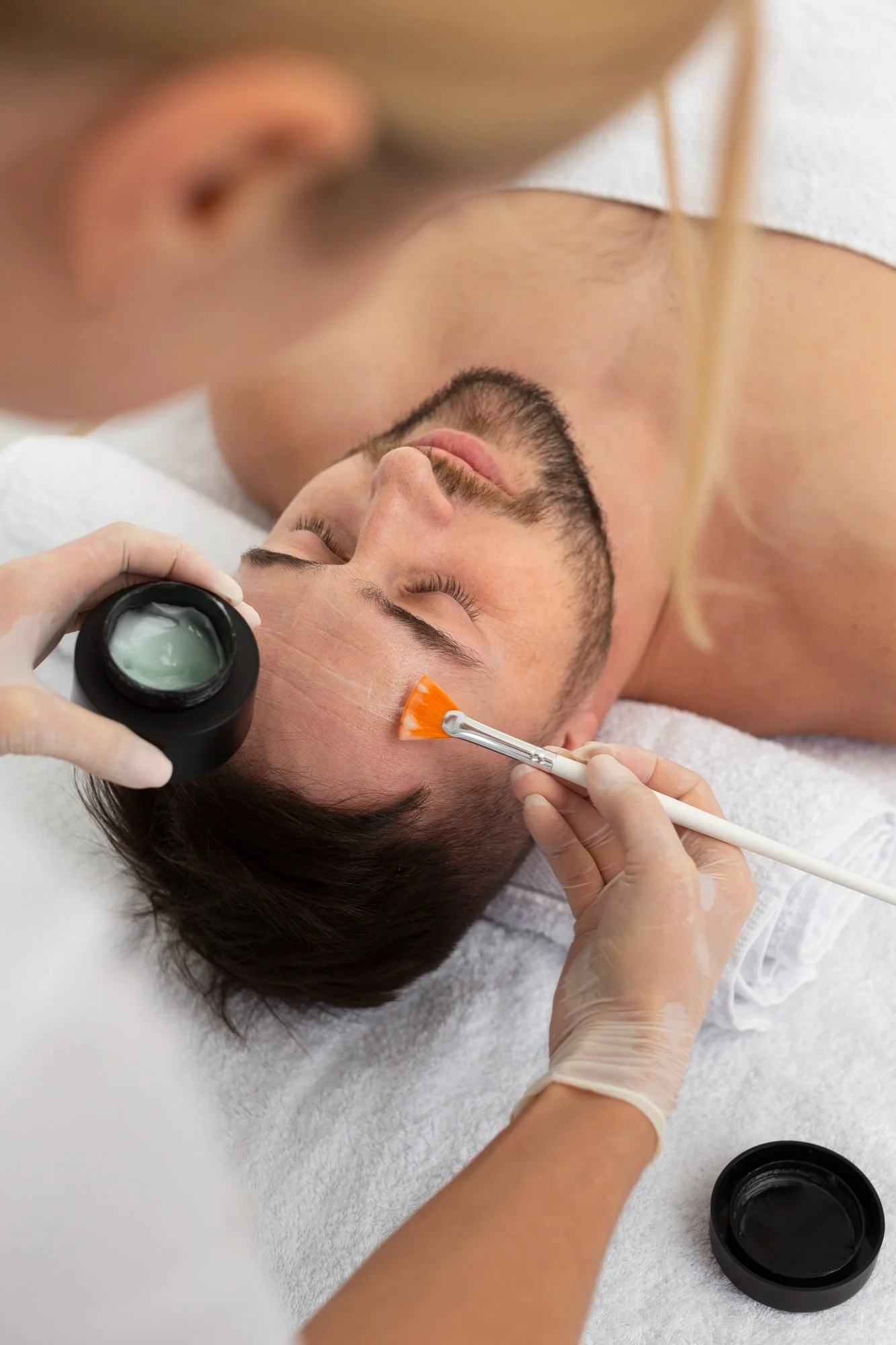
If you’re wondering whether you can get a chemical peel with a beard, the short answer is yes. Facial hair does not disqualify you from getting a professional chemical peel for men — but your beard length and shaving routine do affect how the treatment is performed and how you should prepare.
Men across Chicago — from West Loop professionals to River North residents — regularly ask this question before booking. The good news: chemical peels work extremely well on male skin, even if you have stubble, a trimmed beard, or full facial hair. The key is adjusting the technique, peel type, and shaving timeline to match your grooming habits.
Below is everything you need to know about getting a chemical peel with facial hair, including peel type selection, shaving rules, ingrown hair benefits, and post-peel grooming timelines.
Can Men Get a Chemical Peel With a Beard?
Yes — men can absolutely get a chemical peel with a beard.
Chemical peels work by applying a controlled chemical solution to exfoliate the outer layers of skin. They target the skin surface, not the hair follicles, which means they do not stop or slow facial hair growth.
Male skin is typically thicker than female skin and often produces more oil. This makes treatments like chemical peels for men especially effective for:
Oily skin
Enlarged pores
Rough texture
Sun damage
Ingrown hairs and razor bumps
However, the approach varies with beard length and thickness.
Estheticians adjust application techniques around the beard area to ensure even penetration while avoiding irritation.
Full Beard vs. Trimmed Beard vs. Stubble — How Length Changes the Approach
Full Beard (Dense Growth)
If you have a thick, full beard, the peel is applied to exposed areas of your face — forehead, cheeks, nose, and neck. Dense beard areas may be avoided unless trimmed short enough for penetration.
Trimmed Beard (Short but Full Coverage)
If your beard is trimmed close to the skin, lighter peels, such as AHA or BHA solutions, can penetrate beneath the hair to treat the skin beneath.
Stubble / 5 O’Clock Shadow
This is often ideal for even peel distribution. Short facial hair allows the acid solution to reach the skin while maintaining your usual grooming style.
Clean-Shaven
The best scenario for full-face, uniform results — especially for layered peels like TCA or Jessner's peel.
Which Peel Types Work Best With Facial Hair?
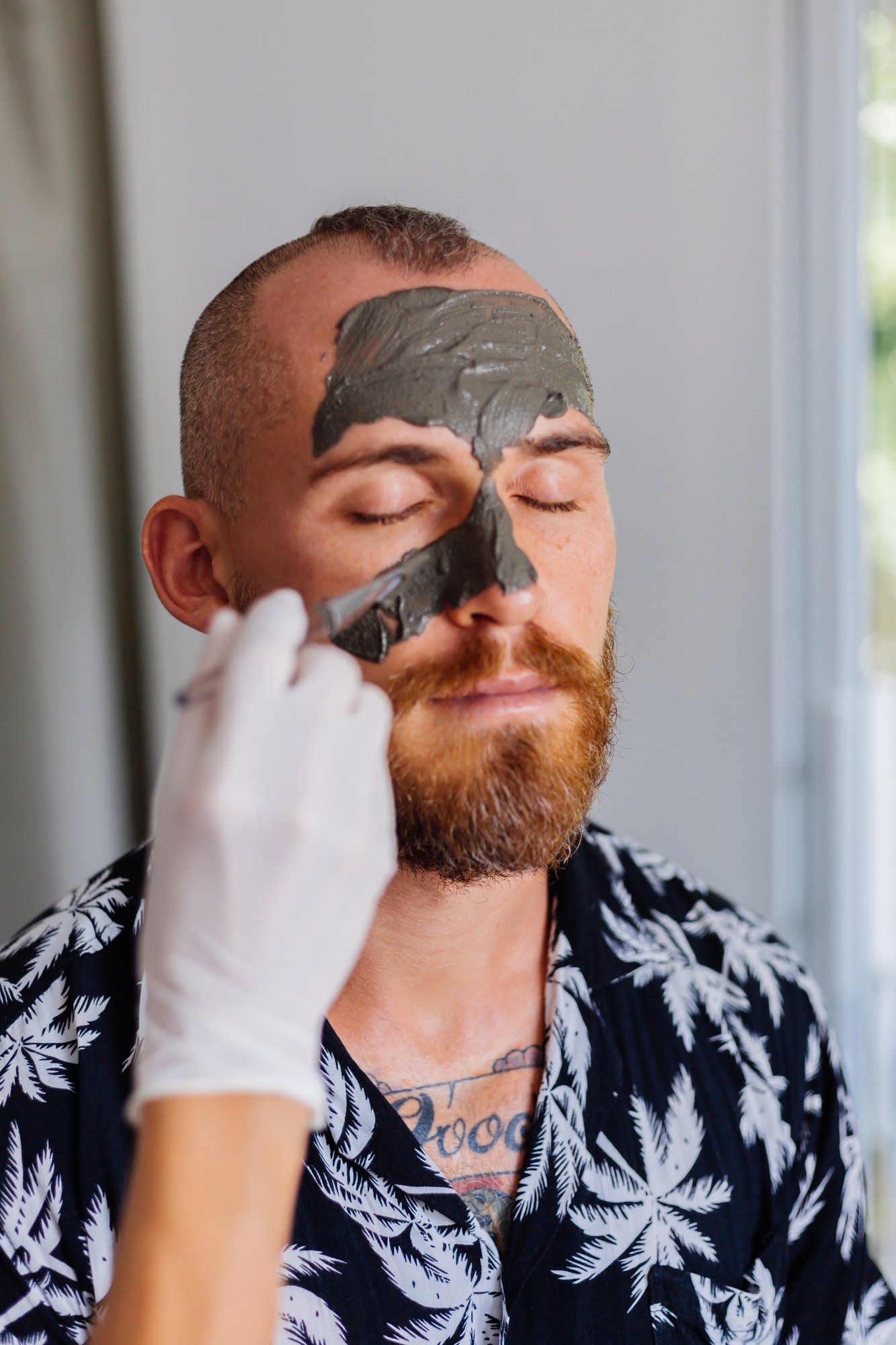
Not all peels behave the same way around facial hair. Understanding the differences helps you choose the right chemical peel for men based on your beard situation.
AHAs and BHAs (Best for Short Facial Hair)
AHAs (Alpha Hydroxy Acids):
Glycolic acid
Lactic acid
Mandelic acid
BHAs (Beta Hydroxy Acids):
Salicylic acid
These liquid-based peels distribute evenly and can penetrate through short facial hair. They’re ideal for:
Stubble
Trimmed beards
Men who are prone to ingrown hairs
Oily or acne-prone skin
TCA and Jessner’s Peel (Best Clean-Shaven)
TCA (Trichloroacetic Acid) and Jessner's peel require layered application for medium-depth exfoliation. Because of this:
They should not be applied over dense beard areas.
They are best performed when clean-shaven.
May be applied only to exposed skin if you maintain a full beard.
VI Peel & Medium-Depth Options
If you’re considering a VI Peel or similar medium-depth treatment, discuss partial application with your esthetician. Many men opt for exposed-area treatment if they prefer keeping a beard.
Shaving Before a Chemical Peel — Timing and Rules
One of the most important questions about shaving before chemical peel treatments is when to do it.
The Golden Rule:
Shave at least 24 hours before your peel — never the same day.
Shaving is a form of mechanical exfoliation. When combined with chemical exfoliation, you risk:
Increased irritation
Uneven peel depth
Burning or excessive redness
Additional preparation tips:
Use a gentle shaving cream
Avoid aggressive passes
Shave in the direction of hair growth
Electric shavers are safer than blades before a peel
Avoid shaving if you have nicks or cuts
If you accidentally cut yourself, reschedule. Acid applied over open skin can significantly increase irritation.
How Chemical Peels Help With Ingrown Hairs and Razor Bumps
For many men, the real value of a chemical peel treatment for the beard area isn’t just smoother skin — it’s fewer ingrown hairs.
Men who shave regularly are especially prone to:
Razor bumps
Ingrown hairs
Inflammation along the jawline and neck
Here’s why chemical peels help:
Glycolic acid loosens the bonds between dead skin cells, helping trapped hairs break free.
Salicylic acid penetrates oil-filled pores, reducing inflammation and clogged follicles.
Chemical exfoliation improves cellular turnover, preventing buildup that traps hairs beneath the surface.
With consistent treatments, most men see:
Reduced ingrown frequency
Smoother jawline texture
Less post-shave irritation
For men who struggle with chronic razor bumps, a chemical peel for men can be a game-changer.
What Men With Facial Hair Should Expect During and After a Peel
During your peel:
Mild warmth or tingling is normal
Beard areas may feel different than exposed skin
The application is carefully adjusted around facial hair
After the peel:
Peeling and flaking typically last 3–7 days
Flaking may look more noticeable around the beard line
Shedding patterns vary near hair follicles
Skin sensitivity increases temporarily
Do not:
Pick or pull the peeling skin
Scrub flaking areas
Over-exfoliate
You should moisturize thoroughly — including the beard area to reach the skin underneath.
When to Resume Shaving After a Chemical Peel
A major part of chemical peel aftercare that men need to understand is the timing of shaving.
Wait 5–7 days before blade shaving
Electric shavers may be used around day 3–4 if absolutely necessary
Use thick shaving cream
Apply minimal pressure
Shave in the direction of growth
If you must maintain a professional appearance, schedule your peel before a long weekend.
Peel Type Selection by Beard Length — A Quick Reference
Here’s a fast-reference guide:
Clean-Shaven
All peel types available
Best time for TCA or Jessner’s peel
Stubble (1–3 Days Growth)
AHA (glycolic acid, lactic acid, mandelic acid)
BHA (salicylic acid)
Avoid layered peels
Trimmed Beard
Hydroxy acids only
Careful, targeted application
Full Beard
Apply peel to exposed skin only
Schedule a full-face peel when clean-shaven
Always confirm with your esthetician which peel type is best if you have facial hair.
How to Schedule Chemical Peels Around Your Shaving Routine
Most blogs ignore the real-world challenge: many men shave daily for work.
Here’s how to plan your chemical peel scheduling smartly:
Book Thursday or Friday evening appointments
Allow the weekend for initial peeling
Schedule during vacation days if a clean-shaven look is required
If you keep a beard, scheduling is easier
For best results:
Plan peels 4–6 weeks apart
First-timers should start with glycolic acid or lactic acid
Upgrade to medium-depth peels once you understand your skin response
Aftercare Tips for Men With Facial Hair
Post-peel aftercare determines your results.
Moisturizer
Work product deep into the beard to reach the skin underneath.
SPF 30+ Daily
Even thick facial hair does not provide reliable sun protection.
Avoid Heat
No sauna, steam room, or intense gym sessions for 48 hours.
Skip Active Ingredients
Avoid retinol, scrubs, and strong exfoliants until peeling completes.
Beard Oils and Balms
Reintroduce only after the visible peeling finishes.
Why Chicago Male Salon Is Built for Men Who Want Chemical Peels
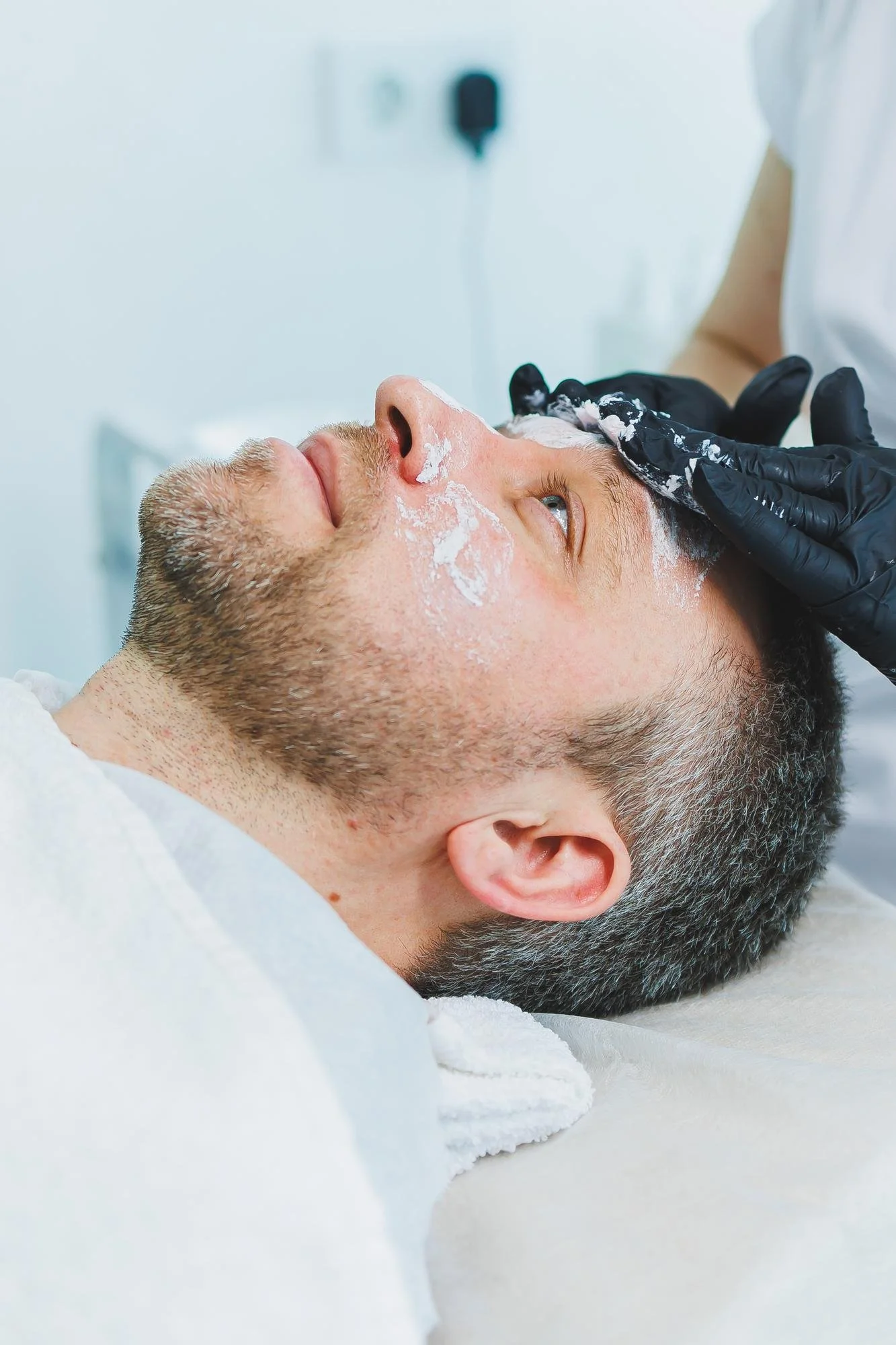
Most skincare spaces are designed around female clients, but men have different concerns, including thicker skin, active shaving routines, ingrown hairs, oilier complexions, and sun damage from years without consistent SPF use. These factors change how treatments should be performed and how skin responds to exfoliation and recovery.
At Chicago Male Salon, treatments are tailored specifically for male skin. Our team understands how to safely perform a chemical peel with a beard, adjust peel depth for thicker male skin, manage post-shave sensitivity, and integrate peels into a broader men’s grooming routine. Many of our clients initially come in for ingrown hair reduction and razor bump correction, then continue with long-term skin maintenance once they see the results.
Conclusion
Getting a chemical peel with a beard is not only possible — it’s often highly effective when done correctly. Facial hair does not prevent you from benefiting from professional exfoliation, but beard length, shaving habits, and peel type all influence how the treatment should be performed. Whether you keep stubble, maintain a trimmed beard, or wear a full beard year-round, the key is to choose the right acids, follow proper shaving timelines, and commit to smart post-peel aftercare.
For men dealing with oily skin, ingrown hairs, razor bumps, or sun damage, chemical peels offer both corrective and preventative benefits. When customized to male skin and grooming routines, they can dramatically improve texture, clarity, and long-term skin health. With the right preparation and professional guidance, you don’t have to sacrifice your beard to get smoother, clearer, healthier-looking skin — you just need the right approach.
Frequently Asked Questions
Does a Chemical Peel Stop Facial Hair From Growing?
No, a chemical peel does not stop facial hair from growing or reduce beard density. A chemical peel facial hair treatment works on the skin's surface layers, improving texture, tone, and clarity by accelerating exfoliation and cellular turnover. It does not penetrate deep enough to affect the hair follicle, which is responsible for beard growth. Terminal beard hair remains completely unaffected. In some cases, very fine peach fuzz may temporarily shed along with peeling skin, but this is superficial and does not affect long-term growth patterns. Your beard will continue to grow at the same rate and thickness after treatment.
Should Men Shave Before a Chemical Peel?
Yes, men should shave before a chemical peel — but timing matters. Shaving is a form of physical exfoliation, and doing it too close to your appointment can increase sensitivity and irritation. Ideally, you should shave at least 24 hours before your peel, never the same day. This gives the skin time to calm down and reduces the risk of stinging, inflammation, or uneven penetration of the peel. Use a clean razor, shave gently in the direction of hair growth, and avoid nicks or cuts. If you accidentally cut yourself, it’s best to reschedule, as applying acid over broken skin can cause excessive irritation.
Can I Get a Chemical Peel With a Full Beard?
Yes, you can absolutely get a chemical peel with a full beard, but the application technique will be adjusted. A chemical peel with beard growth typically focuses on exposed areas of the face, such as the forehead, cheeks, and neck. Dense beard areas may limit the uniformity of certain peels. For lighter hydroxy acid peels, short or trimmed facial hair may still allow penetration to the skin underneath. However, deeper or layered peels, such as TCA or Jessner’s peel, are generally avoided over thick beard areas. If you want a full-face treatment, you may consider trimming your hair shorter or scheduling your peel when you're clean-shaven.
How Long After a Chemical Peel Can I Shave?
After a chemical peel, you should wait at least 5–7 days before shaving with a blade. During this time, your skin is actively healing and may be sensitive, flaky, or slightly inflamed. Shaving too soon can cause irritation, disrupt the peeling process, and increase redness. If absolutely necessary, an electric shaver may be used around days 3–4, but only with caution and minimal pressure. Once you resume shaving, use a thick, hydrating shaving cream and shave in the direction of hair growth. Proper chemical peel aftercare for men — including moisturizing and sun protection — helps ensure a smooth recovery and reduces post-shave irritation.
Are Chemical Peels Worth It for Men?
Yes, chemical peels are often especially beneficial for men. A chemical peel treatment can significantly improve acne, ingrown hairs, razor bumps, oily skin, sun damage, and uneven texture. Male skin tends to be thicker and produce more oil, which makes chemical exfoliation particularly effective. By removing dead skin buildup and clearing pores, peels help reduce breakouts and prevent trapped hairs beneath the surface. Many men also notice a smoother texture and improved overall brightness after just one session. While a single peel delivers visible improvement, a series of three treatments typically produces more dramatic and longer-lasting results tailored to your skin goals.