
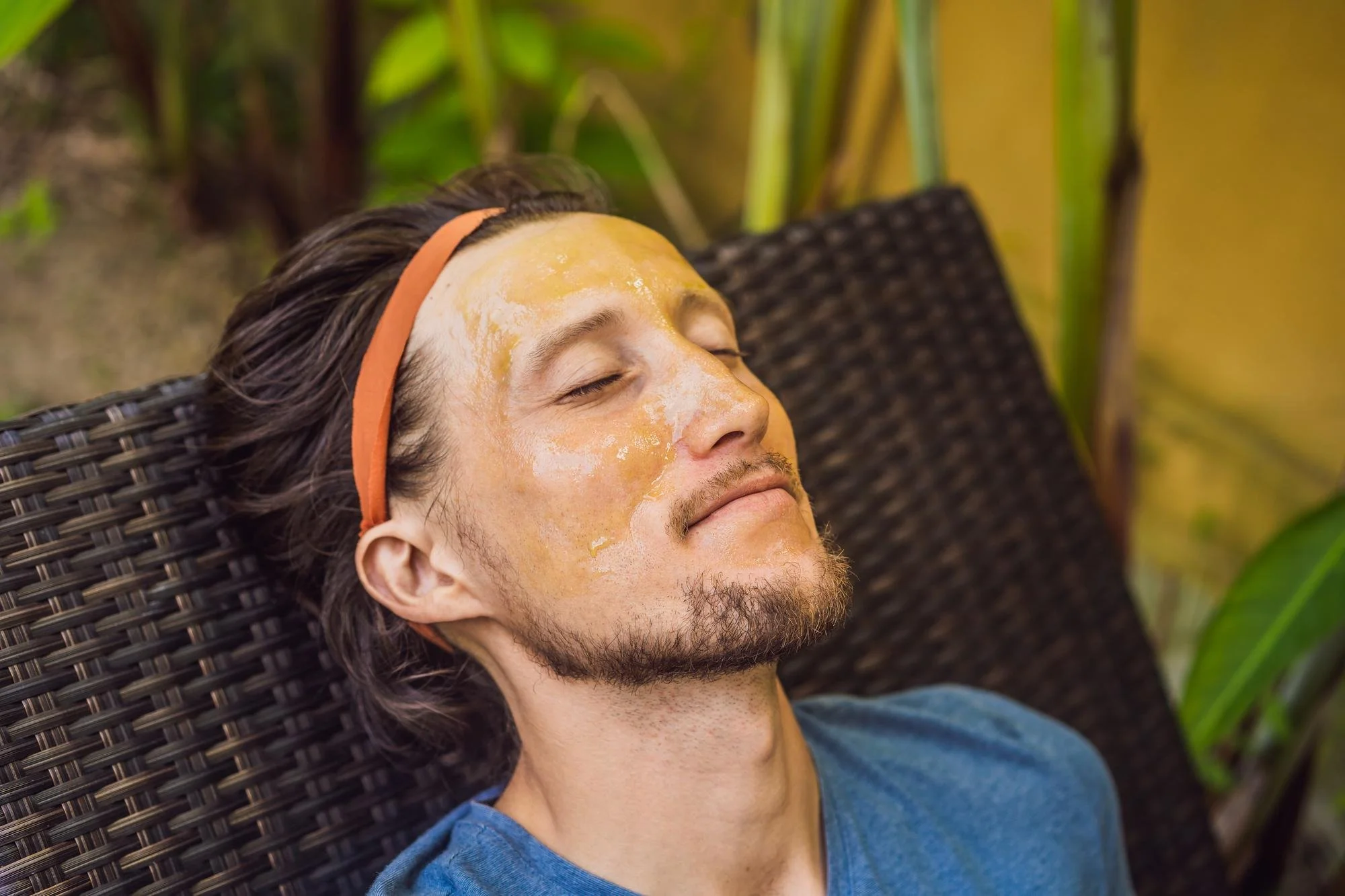
If you’re planning a peel, one of the most important questions isn’t just which type to choose — it’s when to get peel treatments safely, especially if sun exposure is part of your routine.
The relationship between a chemical peel and sun schedule can directly affect results, healing, and pigmentation risk. Whether you’re planning a summer vacation, spending time outdoors for work, or simply want to know the best time for chemical peel treatments, timing matters more than most people realize.
This guide explains how UV exposure impacts peel-treated skin, how long to avoid the sun before and after treatment, and how to plan safely around seasons, travel, and lifestyle.
How Sun Exposure Affects Your Skin Before and After a Chemical Peel
To understand why chemical peel timing in the sun is critical, you need to understand how UV radiation affects the skin at a biological level.
Ultraviolet (UV) radiation stimulates melanin production. Melanin is your skin’s natural defense mechanism, designed to protect against damage. However, UV exposure also increases inflammation, weakens the skin barrier, and contributes to hyperpigmentation and long-term photoaging.
Chemical peels work through controlled exfoliation. They remove layers of the epidermis — and sometimes reach into the dermis — depending on depth. When that outer protective layer is reduced, your skin becomes more vulnerable to UV radiation.
This is where timing becomes crucial.
If you combine a recent peel with sun exposure after chemical peel recovery has not stabilized, you increase the risk of:
Post-inflammatory hyperpigmentation (PIH)
Uneven melanin distribution
Prolonged redness
Delayed healing
There is also an important difference between incidental sun exposure (walking to your car) and intentional tanning. Tanning dramatically increases risk because it represents active melanin stimulation during a sensitive phase.
The deeper the peel, the more significant the photosensitivity.
Why Freshly Peeled Skin Is More Vulnerable to UV Damage
After exfoliation, the stratum corneum — the outermost protective layer — becomes thinner. This layer normally acts as a physical barrier against environmental stressors, including UV radiation.
When it’s reduced:
Natural UV protection decreases
Skin sensitivity increases
Water loss increases
Inflammatory responses are more easily triggered
This makes the recovery phase especially critical for strict sun protection.
The Link Between Sun Exposure and Post-Peel Hyperpigmentation
Post-inflammatory hyperpigmentation (PIH) occurs when melanin production is triggered by inflammation. A chemical peel already creates controlled inflammation to stimulate renewal.
If UV exposure is added during recovery, the melanocytes (pigment-producing cells) may overreact. This risk is higher with:
Medium peels
Deeper resurfacing treatments
Darker skin tones (higher baseline melanin activity)
This is why chemical peel timing in the sun matters for outcomes, not just comfort.
When to Get Peel Treatments for the Safest Results
So, when to get peel treatments for optimal safety?
There isn’t a single universal answer, but season, peel depth, and lifestyle all play a role.
Is There a Best Time for Chemical Peel Treatments?
For many patients, fall and winter are considered the best times for chemical peel treatments. The reasons are practical:
Lower UV index
Reduced outdoor exposure
Fewer beach and vacation plans
Easier compliance with SPF use
However, that does not automatically mean you cannot get a chemical peel in summer.
It means planning becomes more important.
Is Winter Really the Best Time for Chemical Peel Treatments?
Winter offers advantages:
Shorter daylight hours
Reduced sun intensity
More indoor time
Fewer social events require extended outdoor exposure
These factors make it easier to consistently follow post-treatment sun precautions.
For medium and deep peels, winter is often ideal due to the longer chemical peel recovery time and stricter sun-avoidance requirements.
Getting a Chemical Peel in Summer: What Makes It Risky or Manageable?
A chemical peel in summer is not automatically unsafe — but the risk depends on:
Peel depth
UV index in your region
Outdoor lifestyle
Travel plans
Light peels are generally more manageable in summer because they involve minimal downtime and less intense photosensitivity.
Medium or deep peels require stricter sun avoidance during the recovery period.
If you can commit to:
Using SPF 30+ consistently
Reapplication every two hours outdoors
Avoiding peak UV hours
Wearing protective clothing
Summer peels can be done safely in appropriate candidates.
How Long to Avoid Sun Before and After a Peel
Clear timing guidance is where many articles fall short. Here’s a practical framework.
Pre-Treatment Sun Exposure Rules
Ideally:
Avoid active tanning for at least 1–2 weeks before treatment
Do not schedule a peel if you have a recent sunburn
Disclose recent sun exposure during consultation
Tanned skin increases the risk of uneven results and hyperpigmentation.
Sun Exposure After Chemical Peel: Realistic Recovery Timeline
Day 1–7:
Skin is highly sensitive. Strict avoidance is recommended. This is when peeling and inflammation are most active.
Week 2:
Barrier function begins stabilizing. Incidental sun exposure may occur with strong SPF, but intentional sun exposure is discouraged.
Weeks 3–4:
For superficial peels, sensitivity significantly improves. Medium peels may still require cautious protection.
Deeper peels require extended protection — sometimes for more than one month.
Sun exposure after chemical peel procedures during the early healing period significantly increases the risk of complications.
Planning Your Peel Around Vacations, Beach Trips, and Tanning
This is where real-life planning matters most.
If you have a beach vacation scheduled, timing your peel properly prevents stress and complications.
Can You Tan After Chemical Peel Treatments?
Short answer: strongly discouraged during healing.
Tanning after a peel increases:
Burn risk
Pigment irregularity
Long-term skin damage
Because peeled skin is thinner, it burns faster and may tan unevenly. The question “Can you tan after a chemical peel?” comes up often, and the safest answer is to avoid tanning until full recovery is complete.
Safe Scheduling Before a Beach Vacation
If travel is planned:
Schedule a light peel at least 2–3 weeks before departure
Schedule a medium peel at least 4 weeks before travel
Avoid deep peels if extended sun exposure is unavoidable
If a vacation is already booked, postponing your peel may be safer.
Chemical Peel Aftercare Sun Protection Strategies That Actually Work
Good chemical peel aftercare sun protection goes beyond simply applying sunscreen once in the morning.
Choosing the Right Sunscreen After a Peel
Use broad-spectrum SPF 30+ (SPF 50 preferred)
Choose mineral formulas with zinc oxide for sensitive skin
Avoid fragranced or irritating products
Mineral sunscreen tends to be better tolerated on compromised skin.
Lifestyle Adjustments During Recovery
Sunscreen alone is not enough.
Also consider:
Wearing wide-brim hats
Using sunglasses
Avoiding peak UV hours (10 a.m.–4 p.m.)
Seeking shade whenever possible
Reapplying SPF every two hours outdoors
Outdoor workouts, long drives, and daily commuting also expose skin to UV — even through windows.
Recovery success depends on layered protection.
How This Applies to Our Clients
Many clients ask when to get peel treatments safely, especially before summer or vacations.
During consultation, we assess:
Recent sun exposure
History of tanning
Skin type and melanin activity
Planned travel
Outdoor lifestyle
We then match peel strength to season and lifestyle.
A light peel may be appropriate in summer with strict aftercare. A medium peel may be better suited to fall. Deep peels require careful planning.
Education comes first. Safe timing prevents complications and improves results.
Chemical Peels and Sun Safety at Chicago Male Salon
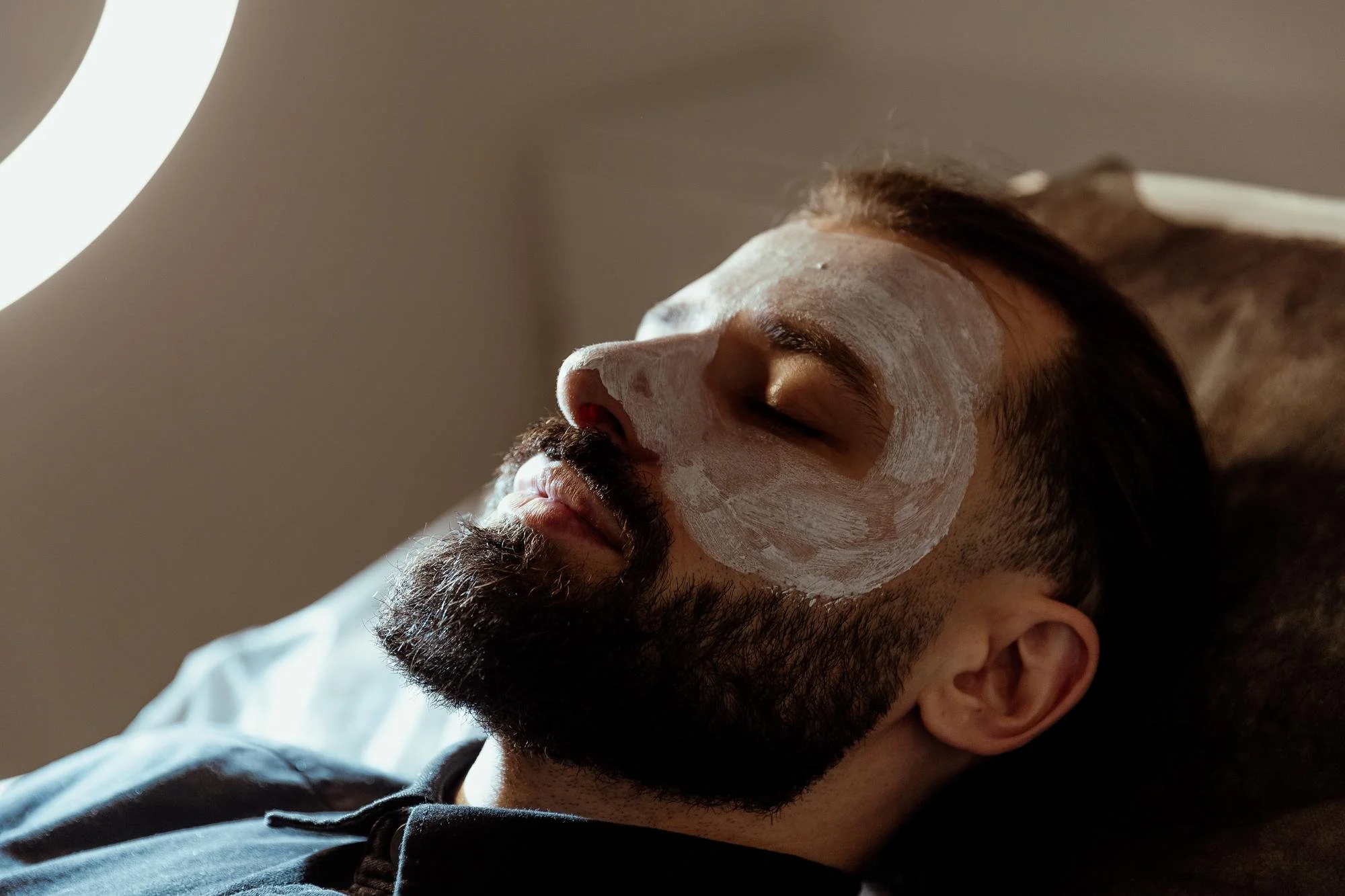
At Chicago Male Salon, we understand that timing a chemical peel around sun exposure isn’t just a medical question — it’s a lifestyle decision. Many of our clients balance outdoor workouts, lakefront activities, travel, and busy professional schedules. That’s why every peel consultation includes a detailed discussion about recent sun exposure, tanning habits, upcoming vacations, and daily UV risk.
We evaluate your skin type, melanin activity, shaving habits, and seasonal factors to recommend the appropriate peel strength. For example, a light peel may be appropriate in summer with strict SPF compliance, while medium-depth treatments are often better scheduled during lower-UV months. If you’ve recently had significant sun exposure, we may delay treatment to protect your results and reduce the risk of pigmentation.
Our approach prioritizes education and safety. We provide clear guidance on pre-treatment sun avoidance, post-treatment protection, and realistic recovery timelines to help you plan confidently. Matching peel depth to your lifestyle helps prevent complications and ensures your investment delivers visible, even results.
If you’re unsure about the best time for chemical peel treatments, a professional skin assessment at Chicago Male Salon can help you determine the safest and most effective plan.
Conclusion
Sun exposure and chemical peels are closely connected. The timing of your treatment — especially in relation to vacations, outdoor activities, and seasonal UV intensity — can significantly influence your results and recovery.
Understanding how UV radiation affects freshly exfoliated skin helps reduce the risk of hyperpigmentation, prolonged redness, and uneven healing. Whether you’re considering a light peel in summer or planning a medium-depth treatment in winter, the key factors remain the same: proper preparation, realistic scheduling, and strict sun protection during recovery.
There isn’t one universal “perfect” time to get a peel. The safest timing depends on your skin type, peel strength, and lifestyle. With thoughtful planning and professional guidance, chemical peels can be performed safely year-round — as long as sun exposure is managed responsibly.
If you’re planning your next peel, start with a consultation to ensure your treatment aligns with both your skin goals and your sun schedule.
Frequently Asked Questions
Can I get a chemical peel in the summer?
Yes, you can get a chemical peel in summer, but safety depends on the depth of the peel, UV exposure levels, and how strictly you follow sun precautions. Light or superficial peels are generally more manageable during summer because they create minimal downtime and less intense photosensitivity. However, medium and deep peels significantly increase sensitivity to sunlight and require disciplined protection. If you spend extended time outdoors, have a beach vacation planned, or cannot consistently reapply broad-spectrum SPF, summer may not be ideal for stronger treatments. Geographic location also matters, as high-UV-index regions increase risk. A professional consultation helps determine whether a summer peel aligns with your lifestyle and sun habits.
How long after a chemical peel can I go in the sun?
The timeline depends on the peel strength and your skin’s healing response. After a superficial peel, limited incidental sun exposure may be tolerated after 1–2 weeks, provided you wear broad-spectrum SPF 30+ and avoid peak UV hours. Medium peels generally require 2–4 weeks of strict sun avoidance because the skin barrier remains compromised longer. Deep peels require even longer protection, sometimes for more than a month. Even once visible peeling stops, skin can remain photosensitive beneath the surface. Sun exposure too early after chemical peel recovery increases the risk of hyperpigmentation and uneven results. Protective clothing, hats, and consistent reapplication of sunscreen are essential during the healing period.
What is the best time for chemical peel treatments?
For many individuals, fall and winter are considered the best times for chemical peel treatments because UV levels are lower and outdoor exposure is typically reduced. Cooler seasons make it easier to avoid sun-exposed activities and follow aftercare instructions. However, the ideal timing depends on peel depth, your climate, and daily lifestyle. Someone living in a sunny region year-round may need to be cautious regardless of the season. Light peels can often be performed safely year-round with proper sun protection, while medium and deep peels may be better scheduled during months with lower UV intensity. A personalized consultation helps determine the safest timing for your skin.
What happens if I get sun exposure after a peel?
Sun exposure after a peel can interfere with healing and compromise results. Freshly exfoliated skin is more vulnerable to UV radiation, increasing the likelihood of inflammation and post-inflammatory hyperpigmentation. You may notice uneven darkening, prolonged redness, or patchy pigmentation if protection is insufficient. In more severe cases, excessive sun exposure can contribute to blistering, irritation, or delayed barrier repair. The risk increases with medium and deep peels due to greater skin penetration. Promptly applying broad-spectrum SPF and minimizing further UV exposure can help reduce complications. If unusual irritation, burning, or persistent discoloration develops, contact your provider for evaluation and guidance.
Can I tan before getting a chemical peel?
Tanning before a chemical peel is strongly discouraged because it increases the risk of uneven outcomes and pigmentation complications. Tanned skin indicates active melanin production, meaning pigment cells are already stimulated. Introducing a peel during this heightened state can lead to unpredictable results, including dark spots or uneven lightening. Recently sunburned or actively tanning skin is also more inflamed and sensitive, which can increase irritation during treatment. Most professionals recommend avoiding intentional tanning and significant sun exposure for at least one to two weeks before your appointment. Always disclose recent sun exposure during consultation, so your provider can determine whether it is safe to proceed.