

When it comes to waxing, temperature plays a critical role in both comfort and results. If the wax is too cool, it won’t grip the hair properly. If it’s too hot, it can irritate or burn the skin. Understanding the correct wax temperature helps ensure smoother hair removal and a more comfortable experience—especially in sensitive areas.
At Chicago Male Salon, temperature control is handled with precision because consistency directly affects comfort and results. Whether you’re booking a body wax or wondering about the ideal hard wax temperature for smooth results during a Brazilian service, knowing how temperature affects performance helps you feel more confident going into your appointment. Professional regulation makes all the difference.
Why Wax Temperature Matters
Maintaining the best wax temperature for hard wax is essential for achieving smooth, consistent results while protecting the skin. Whether waxing professionally or simply learning more about the process, understanding the correct hard wax temperature range helps prevent discomfort, irritation, and uneven hair removal.
1. Proper Temperature Ensures Safe Application
Wax that’s overheated can damage the skin, while wax that’s too cool becomes thick and difficult to apply. Keeping wax within the safest temperature range for hard wax allows it to glide on smoothly, grip the hair effectively, and release cleanly—reducing discomfort during removal.
2. The Ideal Heat for Hard Wax
Knowing the correct hard wax temperature range is especially important for services like Brazilian waxing. At the right temperature, the wax reaches the ideal hard wax consistency—soft enough to spread evenly, yet firm enough to wrap around the hair as it cools.
3. Consistency Affects Results
Temperature directly influences consistency. When wax is overheated, it becomes too runny and loses grip. When it cools too much, it hardens too quickly and may crack. Staying within the correct hard wax temperature range ensures reliable, even results throughout the service.
4. Tools That Help Maintain the Right Wax Temperature
Professional wax warmers are designed to keep the wax at a consistent temperature throughout the service. They prevent overheating and help estheticians work efficiently, especially during detailed treatments like Brazilian waxes.
The Ideal Hard Wax Temperature for Smooth Results
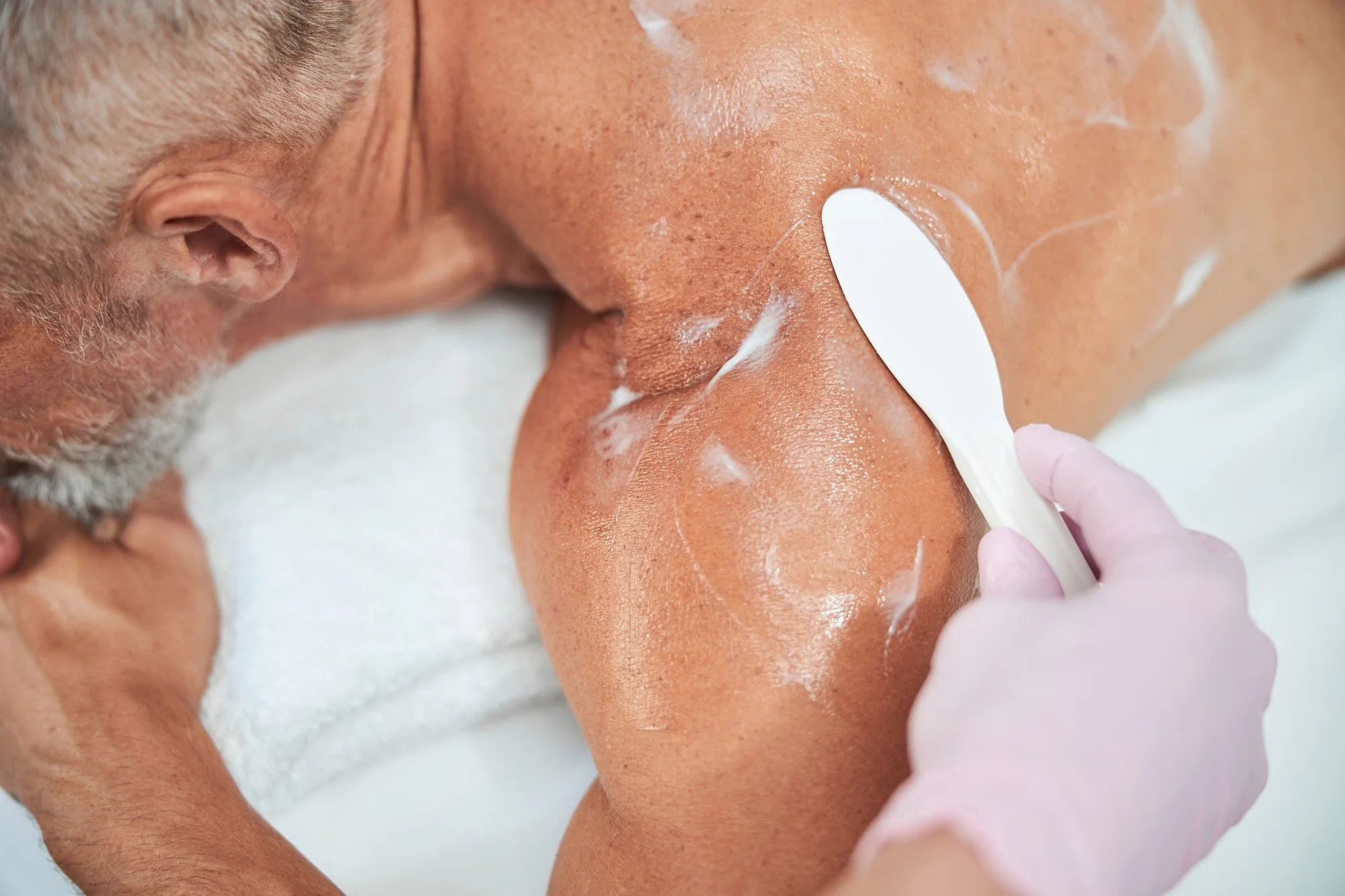
Many clients ask about the ideal hard wax temperature for smooth results, especially for Brazilian waxing. At Chicago Male Salon, hard wax is typically maintained within a temperature range of approximately 125°F to 135°F (52°C to 57°C) to balance comfort and performance.
Within this range, the wax develops a smooth, pliable texture that spreads evenly and remains gentle on the skin. When the temperature drops too low, the wax thickens and struggles to grip shorter hairs. If it rises above 140°F (60°C), it becomes overly fluid and may increase the risk of irritation—particularly in sensitive areas.
How Professionals Regulate Wax Temperature
Rather than guessing, professionals rely on equipment and technique to maintain the right wax temperature to avoid burns and irritation. Wax is heated gradually, stirred frequently, and tested before each application to ensure consistency.
This level of control is especially important for men’s waxing services, including Brazilian treatments, where maintaining the best hard wax temperature for sensitive areas ensures effective hair removal with minimal discomfort.
How Hard Wax Temperature Affects Performance
Hard wax performs best when kept within the correct hard wax temperature range, where flexibility and grip are balanced.
At this range, the wax remains pliable, surrounds the hair shaft, and removes it cleanly from the root.
When it cools too much, it becomes brittle and may crack during removal.
When overheated, it spreads too thin and loses effectiveness.
Consistent temperature control is essential for achieving smooth results across all treatment areas.
How to Tell If Wax Temperature Is Correct
Knowing what the best wax temperature for hard wax feels like can help you understand the process:
The wax should feel warm but comfortable on the skin
It should spread smoothly without dripping
It should peel away cleanly without flaking
During services at Chicago Male Salon, heat levels are monitored throughout the appointment to help maintain consistent application and comfort.
Common Myths About Hard Wax Temperature
Many believe hotter wax removes hair better, but excessive heat actually reduces grip and increases irritation. Others assume cooler wax is safer, yet under-heated wax often causes uneven removal and more pulling.
The key is finding the correct hard wax temperature range, where performance and comfort meet.
The Chicago Male Salon Standards
Men’s waxing requires expert technique and precise temperature control, particularly for coarse hair and sensitive skin. Every service follows strict protocols to maintain the best wax temperature for hard wax, ensuring consistent comfort and results.
Our standards include professional-grade warmers, premium hard wax formulated for sensitive skin, and continuous temperature monitoring throughout the service.
Conclusion
The quality of a wax service depends on more than the product—it depends on precision. Maintaining the correct hard wax temperature range transforms waxing into a smoother, more comfortable experience. When handled by trained professionals, the best wax temperature for hard wax ensures safe application, effective hair removal, and minimal irritation.
If you’ve ever wondered about the ideal hard wax temperature for smooth results, the answer lies in expert control, consistency, and experience.
Frequently Asked Questions
1. What temperature should hard wax be for Brazilian waxing?
The ideal hard wax temperature for a Brazilian wax typically falls between 125°F and 135°F (52°C to 57°C), which professionals consider the correct balance for comfort and performance. Within this range, the wax remains flexible and easy to spread while still gripping coarse hair effectively. Staying within the correct hard wax temperature range is especially important for intimate areas, where the skin is more sensitive and prone to irritation. If the wax is too cool, it thickens and struggles to adhere properly, leading to uneven results and repeated applications. If overheated, it can become too fluid and increase the risk of discomfort. Maintaining the best wax temperature for hard wax ensures smoother removal, fewer passes, and a more comfortable Brazilian waxing experience overall.
2. Why is wax temperature so crucial for effective results?
Wax temperature plays a major role in both comfort and effectiveness because it directly affects how the wax interacts with the skin and hair. When applied at the right wax temperature to avoid burns and irritation, hard wax spreads evenly, grips the hair shaft securely, and releases cleanly once set. If the temperature is too high, the wax may feel uncomfortable and increase the risk of redness or irritation, especially in sensitive areas. On the other hand, wax that’s too cool becomes thick and difficult to apply, which can cause pulling and incomplete hair removal. Keeping the wax within the safest temperature range for hard wax helps protect the skin barrier while allowing for smoother, more efficient results.
3. How do professionals test wax temperature before applying it?
Professionals rely on more than just visual cues to maintain the correct hard wax temperature range. High-quality wax warmers with built-in thermostats are used to regulate heat consistently throughout the service. Estheticians also stir the wax regularly to prevent hot spots and ensure even heating. Before applying wax to the client, a small amount is tested—often on the inner wrist—to confirm it feels warm but comfortable. This step helps confirm the wax has reached the ideal hard wax consistency, meaning it spreads smoothly without dripping or hardening too quickly. These precautions ensure the wax stays within the safest temperature range for hard wax, reducing the risk of irritation or uneven results.
4. Can I do a Brazilian wax at home if I know the temperature?
Yes, temperature control is especially critical for Brazilian waxing because it involves some of the most sensitive skin on the body. Maintaining the best hard wax temperature for sensitive areas ensures the wax grips coarse hair effectively without sticking aggressively to the skin. Even slight temperature fluctuations can increase discomfort or compromise results in intimate areas. That’s why professionals closely monitor heat levels throughout the service, adjusting as needed to maintain the correct hard wax temperature range. When the wax is kept at the ideal hard wax temperature for a Brazilian wax, it removes hair more cleanly, reduces the need for repeat applications, and minimizes post-wax redness or irritation.
5. How do I know if my wax has cooled too much during use?
When wax drops below the correct hard wax temperature range, its texture changes noticeably. It becomes thicker, harder to spread, and may start setting too quickly on the skin. This makes it difficult to apply evenly and can result in patchy hair removal or increased pulling during removal. Wax that’s too cool may also crack or break instead of lifting cleanly in one piece. Professionals address this by reheating the wax gradually until it returns to the ideal hard wax consistency—smooth, pliable, and easy to control. Restoring the best wax temperature for hard wax ensures consistent performance and helps maintain comfort throughout the service.