

Disclaimer
The information provided in this article is for educational and informational purposes only and is not intended as medical advice. Always consult with a qualified healthcare provider, dermatologist, or licensed professional before starting any hair loss treatment or medication. Individual results may vary based on genetics, health conditions, and consistency of use. Chicago Male Salon does not diagnose or treat medical conditions but offers professional grooming and scalp care services designed to complement your overall hair health and appearance.
Thinning hair can be aggravating, especially when it begins to impact your confidence and self-image. You might notice more hair in the shower or the fact that your hairline is gradually changing, but don’t worry, you’re not alone! Millions of men will face hair loss at some point, and it generally begins a lot sooner than you would expect. Thinning hair in men is not only a cosmetic concern—it’s often the result of genetics, hormones, and daily habits. The good news is that hair regrowth for men is now more achievable than ever, thanks to proven treatments and consistent care.
Men’s hair loss isn’t solely due to age, though age does play a role. Hormones, genetics, and daily habits all contribute to hair loss, but the good news is that there are effective remedies that can help. From medical treatments like minoxidil and finasteride to non-surgical options like low-level laser therapy (LLLT) and PRP, research has provided the male thinning-hair population with practical ways to regrow hair and maintain hair growth for men at every stage.
In this comprehensive guide, we will cover:
Why men lose hair and the role genetics and hormones can play
The optimal treatments for hair regrowth for men, both medical and natural
How to reduce hair fall for men through better daily habits
Advanced options, including PRP therapy and transplants
Styling and treatment tips on how to regrow thinning hair in males and make thinning hair look thicker
And how the Chicago Male Salon can help you remain confident while handling hair loss
By the end, you will know precisely what’s happening to your hair and exactly how to take control of it with real, long-lasting results.
Why Men’s Hair Thins
If you’ve started noticing your hair thinning or more hair strands in the shower drain than usual, you are not alone. By age 50, approximately 85% of men will have some degree of hair thinning. The most common reason for hair loss is male-pattern baldness (or androgenetic alopecia). It is related to the hormone dihydrotestosterone (also known as DHT).
Over time, the DHT hormone causes hair follicles to shrink, slowing hair growth for men.
Genetics is the most common factor, but stress, poor diet, smoking, and hormonal conditions can exacerbate the hair loss process. The sooner you begin taking control of your thinning hair in men, the easier it will be to slow or reverse the process. With regular scalp care, healthy nutrition, and quality care, you can take essential steps toward maintaining the strength and health of your hair.
Real Treatments for Men’s Hair Regrowth
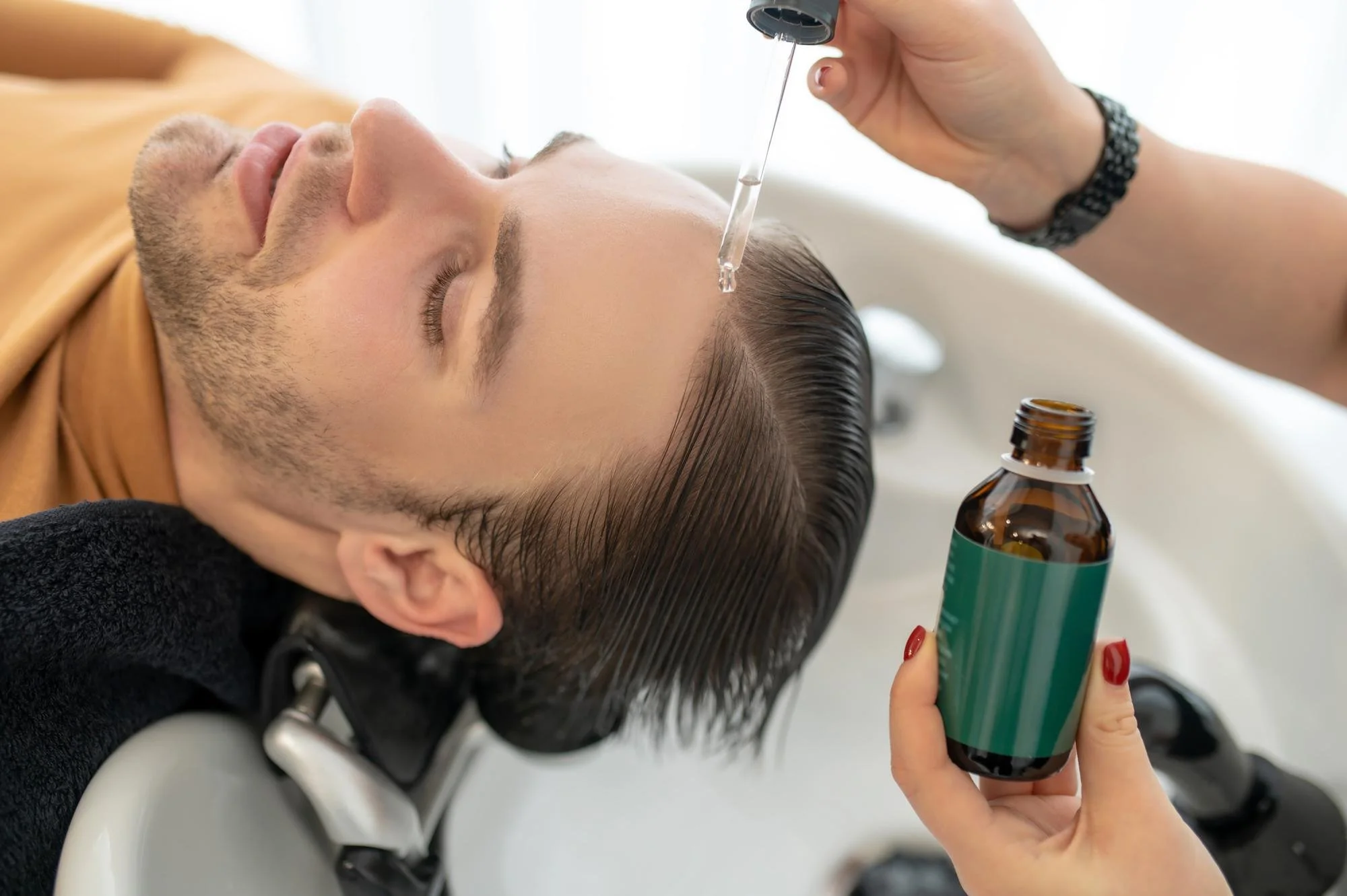
Lots of products claim to address hair loss, but few have scientific research to back them up. The following are the most reliable options available for hair regrowth for men.
Minoxidil (Topical)
Minoxidil is one of the most common options for hair regrowth for men. It comes in foam or liquid form, which must be applied directly to the scalp 1–2 times a day. It works by increasing blood flow to hair follicles and prolonging the length of time they spend in the hair growth phase. Results usually occur after three to six months of continuous use. If you do not apply it consistently, the likelihood of hair loss will return.
Finasteride (Oral)
Finasteride is a prescription medication that helps to lower DHT levels, the hormone responsible for hair follicle shrinkage. Many men achieve satisfactory results with treatment after 4 to 12 months of daily therapy. Since finasteride affects hormones, it is essential to consult a physician before use. Some men may find greater benefit from a combination of finasteride and minoxidil compared to either treatment alone.
Low-Level Laser Therapy (LLLT)
Laser caps and combs are gaining interest with men experiencing hair thinning. This option provides low-level light energy to improve hair density and stimulate hair follicles. This method is also non-invasive and can be done at home. Most men use laser treatment several times per week for a duration after seeing visible results, which could take several months. It is best to use this option alongside other therapies, such as minoxidil and finasteride, to support consistent hair growth for men.
Comparing the Most Common Hair Regrowth Options
| Treatment | Type | Time to Results | Maintenance | Average Cost |
|---|---|---|---|---|
| Minoxidil 5% | Topical | 3–6 months | Ongoing | $10–$30 per month |
| Finasteride 1 mg | Oral | 4–12 months | Ongoing | $25–$80 per month |
| Laser Therapy (LLLT) | Device | 3–6 months | Regular use | $200–$3,000 |
| Hair Transplant (FUT/FUE) | Surgical | 6–12 months | Permanent | $6,000–$15,000+ |
When evaluating choices, be sure to consider your lifestyle and level of commitment. Medical and topical treatments require long-term adherence, while transplants are a permanent solution, but very expensive and typically more invasive. Each approach contributes to sustainable hair regrowth in men when consistently maintained.
Better Habits to Manage Hair Fall for Men
Treatments are helpful, but what you do daily will have an equal, if not greater, effect on your treatment and results. Taking care of your hair and scalp will assist, encourage growth, and reduce shedding.
Stop smoking: Smoking limits blood flow to the scalp and weakens the follicles.
Protect from UV rays: Sun exposure can deteriorate hair pigment and dehydrate strands. A hat or a UV-protective spray will help preserve color and strength.
Consume a balanced diet: Look for protein, iron, zinc, and omega-3 fatty acids. Think salmon, eggs, nuts, and spinach.
Manage stress: Chronic stress can lead to a hair-shedding phase. Consider exercise, sleep, and relaxation techniques.
Wash gently: Use a sulfate-free shampoo and reduce washing to avoid stripping your hair's natural oils, which protect your scalp and hair.
Small changes like these will really help you reduce hair fall and improve thinning hair in men, especially when paired with treatments focused on how to regrow thinning hair in males naturally.
Understanding Hair Transplants and PRP Therapy
If you have been using hair regrowth products for at least a year and have not had any positive results, you may be considering advanced treatment options such as hair transplants or platelet-rich plasma (PRP) therapy. Hair transplants and PRP therapy are most appropriate for men with moderate to severe thinning who want a longer-lasting solution.
Follicular Unit Transplant (FUT):
This surgical procedure involves removing a small strip of scalp tissue from the back of the scalp. From this, hair follicles are harvested from the strip and placed in areas of thinning. FUT is a good option for men with large bald patches on the scalp; however, it leaves a fine scar at the donor site.
Follicular Unit Excision (FUE):
This newer, precise, and fully automated technique for removing hair on the scalp harvests individual hair follicles, so no long strip is removed. FUE is less invasive and does not leave a linear scar at the donor site upon recovery. Recovery time is also quicker than FUT; however, it still takes longer and often costs more. Both options provide permanent results if performed by an appropriately qualified expert.
Platelet-Rich Plasma (PRP) Therapy
PRP (Platelet-Rich Plasma) therapy utilizes blood from your body that has been processed to concentrate growth factors, which are injected into your scalp. Growth factors stimulate weak hair follicles and stimulate circulation. PRP can be used as a standalone treatment or in combination with minoxidil or hair transplant surgery, resulting in better overall outcomes. Most men will require three to four PRP sessions, spaced out every two to four weeks, before seeing any clinical improvement. This combination method is among the most promising approaches for effectively and safely regrowing hair in men.
Hormones and genetics are closely linked to male-pattern baldness. The primary hormone involved is a byproduct of testosterone called dihydrotestosterone (DHT). Some men’s hair follicles have a genetic predisposition to DHT and are more sensitive to its effects, ultimately leading to reduced follicle size and finer, less visible hair. The genetic pedigree for thinner hair and baldness is easy to spot; if your father or grandfather went bald, you probably will too. That said, our genetics don’t operate in isolation. Our lifestyle factors, scalp health, and hormonal balance can slow down or speed up the process.
Regular scalp massages, a proper diet, and stress management are all ways we can influence blood flow and help maintain healthier hair follicles. While you can’t change your genes, you can affect how your scalp and hair follicles respond to your genetics.
Men’s Hair Growth: How Styling and Care Make a Difference
Even when treating hair loss, how you style and care for your hair can significantly affect its appearance. Less is more: keeping your hair shorter and in directional layers will help it appear thicker, while heavy-handed products or tight styles can contribute to breakage. You want to use soft, sulfate-free shampoo and conditioner to protect your scalp and strengthen the hair strands. Scheduling regular trims every four to six weeks will maintain the hair, prevent split ends, and keep the style fresh. In general, limit excessive heat styling to a minimum—blow dryers, curling irons, and especially straightening irons and hot water can cause additional fragility in your colored or treated hair.
When it comes to men's hair growth, simple styling tricks combined with professional treatments can help create a naturally thicker, healthier look.
Why Choose Chicago Male Salon for Hair Care and Confidence
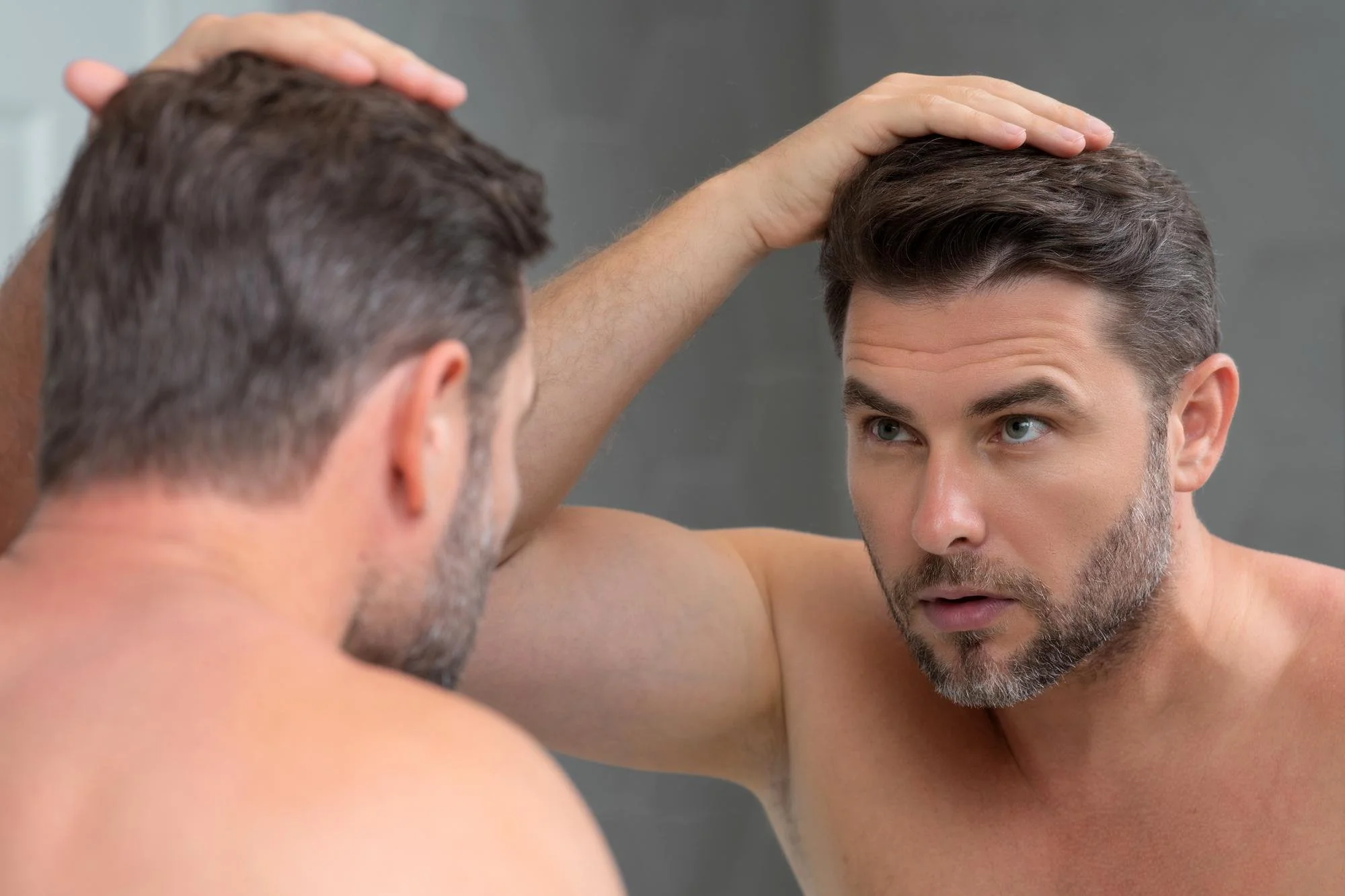
Hair loss is more than just a look and feel. It hurts confidence! Selecting the right salon is therefore crucial. Chicago Male Salon focuses on men's grooming, color, and hair health. Our salon staff understands men's hair behavior, the thinning process, and which styles can add fullness, thickness, and shape.
We are staffed by experienced stylists who use professional-grade, sulfate-free products, specially formulated to support hair growth for men and enhance the results of hair regrowth treatments. Whether you're covering gray hair, maintaining color, or managing thinning hair in men, every service is customized to your hair type and goals.
At our salon, you can shape a rough cut into a refined style or add volume with a precision cut. Our services include scalp treatments to strengthen and thicken hair—all in a relaxed, modern environment tailored to men. Each appointment is more than a haircut; it’s a step toward renewed confidence and lasting hair regrowth for men.
FAQs
What’s the best way to regrow thinning hair for men?
The ideal approach to regrowing thinning hair in men is a combination of a regular treatment regimen and a healthier lifestyle. Options like minoxidil and finasteride are proven methods that continue to remain the gold standard. Minoxidil works by stimulating hair follicles and improving circulation to the scalp, while finasteride works by lowering DHT levels—DHT is the hormone responsible for shrinking hair follicles. Many men may achieve the best results when using both treatments together. Combine these interventions with scalp massages, a diet rich in protein and vitamins, and stress-calming habits such as exercise or meditation. Visible results typically begin to appear within 3-6 months. Just be consistent with the treatment, as you may lose the hair that has regrown if you stop it. If there is thinning, it's better to start sharpening treatments sooner rather than later, so begin treatments as soon as you notice thinning.
How to Control Hair Fall for Men?
Men can naturally manage hair loss by focusing on scalp health, diet, and stress. First, get into the habit of regularly massaging your scalp with a natural oil like argan, coconut, or rosemary. All of these oils nourish the hair follicles, and massage promotes circulation to your scalp. Second, be sure to eat plenty of foods rich in biotin, zinc, vitamin D, and omega-3 fatty acids, which help nourish your hair internally. Third, be sure to wash your hair two or three times per week with a gentle, sulfate-free shampoo so you do not strip away natural oils. Fourth, sleep is critical to hair growth, and staying hydrated is also essential. Stay away from smoking because it limits circulation to the scalp, and remain active. Walking is a great way to relieve stress, or consider practicing yoga. While these do not replace medical treatments, they complement them well and, over time, can strengthen and thicken your hair while encouraging it to shed less.
Does testosterone cause hair loss in men?
While elevated testosterone levels do not directly cause hair loss, a natural byproduct of testosterone, dihydrotestosterone (DHT), is a major contributor to hair loss, particularly in male-pattern baldness (androgenic alopecia). The hair follicles, or the area in which hair grows, along with a signal area that controls hair production, have receptors that DHT binds to, essentially triggering a reaction that shrinks the hair follicle, leading to thinner and shorter hair with each cycle. In some men, their hair follicle receptors are more genetically sensitive to DHT. In these cases, it makes sense as to why (in men) pattern baldness can occur in a familial lineage. Therefore, the good news is that there are approved treatments, such as finasteride, that block production of DHT, eliminating its negative impact on the scalp. Additionally, providing the scalp with proper nutrition, good sleep, and reduced stress can lead to a more balanced hormonal state, which in turn supports better hair health. While you cannot change the fact that you might be genetically more sensitive to the adverse effects of DHT, you can seek early treatment and preventive care to slow down any hair thinning while better maintaining fuller hair growth longer.
How long does it take to see results from men’s hair regrowth treatments?
Regrowing hair takes time and commitment. Most men who use treatments such as minoxidil or finasteride will see less shedding in two or three months. Regrowth usually happens between six and twelve months if you use these products daily. Your regrowth timeline depends on the cause of your air loss and when you start treatment. Non-prescription options, such as low-level laser therapy (LLLT) or injections (PRP), can enhance results, but it still takes months to see measurable improvement. Lifestyle management (healthy habits and stress management), time, and gentle hair products can also support growth efforts. It is essential to stick with the routine; if you skip an application, forget to apply treatment, or stop too early, you may lose any progress. Consistency will be essential to your long-term success.
Can men reverse baldness completely?
The ability to reverse baldness depends on the degree of baldness and whether the hair follicles are still alive. There are a few options, such as minoxidil, finasteride, and PRP therapy, that can help stimulate new hair growth and give existing hair a fuller appearance if there are still active but weakened hair follicles. Once the hair follicles have completely ceased producing hair, the only viable long-term option is a hair transplant (FUT or FUE). Additionally, combining your medical treatment with healthy living interventions (e.g., scalp massage, proper nutrition, and stress management) will improve your chances of success. However, early intervention is the best opportunity for reversal at any stage since it is always easier to maintain existing hair than replace what is lost. A complete reversal cannot be guaranteed, but modern treatment options will help restore some confidence in the individual and ultimately lead to naturally fuller hair for men.
Conclusion
Men experience hair loss as a part of life, but that doesn't mean you should sit back and accept it. After identifying the causes—be it hormones, genetics, or lifestyle—you will be able to find the right solution and take action. Evidence-based treatments, such as minoxidil, finasteride, and PRP therapy, can slow or reverse hair thinning, particularly when you consistently care for your hair with a good regimen. Of course, treatment is only one piece of the puzzle. Regular trims, scalp treatments, and tailored grooming, especially while you are growing your hair back, will help make your hair look thicker and healthier. With the right plan and professional care, regrowing thinning hair in males becomes achievable—helping restore both your look and your confidence.