

Curly haircuts for women that ignore curl pattern fall flat once dry, and few things frustrate more. At CM Salon & Spa in Chicago, we know that both curl type and face shape shape the outcome. This guide walks through short-to-long options, common mistakes, and how to communicate your goals so your cut fits the curls you actually have.
Understanding Your Curl Pattern Before You Cut
Your curl pattern is the honest starting point for any cut decision. Patterns range from loose waves through defined ringlets to tight coily textures, and each behaves differently once dry. Tighter patterns shrink more, so a cut that looks long while wet can spring up considerably shorter. Recognizing where your curls fall on that spectrum helps you and your stylist plan for shrinkage, so the finished shape looks the way you expected rather than surprising you afterward.
Matching a Curly Cut to Your Face Shape
Face shape guides where length and volume should land, and pairing it with your curl pattern is what makes a cut flatter your features rather than fight them. Round faces benefit from length below the chin and volume at the crown, which lengthens the overall look. Oval faces are the most flexible and suit nearly every shape, from cropped to long. Angular and heart shapes soften with curls framing the jaw, balancing strong bone structure with the movement curls already provide.
Best Short Curly Haircuts for Bounce and Volume
Short cuts are low-maintenance and volume-forward, letting curls spring up with natural bounce. A pixie cut shows off tighter patterns beautifully and reads especially well on oval or heart-shaped faces. Because curls concentrate volume near the top, layering within a short cut keeps bulk from piling at the crown. The payoff is strong curl definition with minimal daily effort, since shorter lengths dry faster and hold shape without heavy product or lengthy styling routines.
Best Medium-Length Curly Cuts
Medium lengths offer the most versatility for everyday styling. A curly bob sits around the jaw or collarbone and balances defined shape with manageable length, while a curly lob drops slightly longer for a softer frame. Both suit women who want flexibility to wear curls up or down. Because curls widen as they fall, strategic layering keeps the silhouette from turning triangular, distributing volume evenly so the shape stays rounded and intentional rather than boxy.
Best Long Curly Haircuts With Layers

Long curls stay their healthiest with layers that remove weight while preserving length. Long layers thin out density so curls do not sit heavy or flat, keeping movement through the mid-lengths and ends. A curly shag builds on this with shorter internal layers that add lift, texture, and bounce. Long cuts reward regular trims, since ends left too long tend to develop split ends that dull curl definition and make length harder to maintain.
Layers vs One Length: What Works for Curls
For most curl types, layers reduce bulk and enhance curl definition by allowing each section to spring freely rather than compressing under its own weight. A one-length cut can look clean while wet but often weighs curls down once dry, flattening volume at the crown and widening the base. The right choice depends on your density and pattern, which is exactly what a stylist consultation is for.
Common Curly Haircut Mistakes to Avoid
The most common mistake is choosing a stylist without genuine curl experience, since curls demand a technique that straight hair does not. Cutting curls fully stretched is another pitfall because stretched hair hides the true pattern, and shrinkage leads to unpredictable results once dry. Inspiration photos matter too. A photo of looser, thinner curls will not translate to dense, coily hair, so mismatched density sets expectations your own curls cannot realistically meet after the cut.
Dry Cutting vs Wet Cutting for Curly Hair
Dry cutting lets a stylist see the true curl pattern before removing length, shaping curl-by-curl so the finished result matches what you see in the mirror. Wet cutting stretches curls straight, which can hide how each one falls and cause an unpredictable shape once everything dries and springs back. Looser wave patterns are more forgiving with either method, since they stretch and rebound less dramatically, but tighter curls generally benefit from a dry, curl-by-curl approach.
How to Describe Your Curls to a Stylist
A clear description of your curl pattern helps your stylist deliver the cut you want. Bring photos of hair with similar density and pattern to your own rather than generic inspiration images, since matching texture matters more than matching a celebrity. Describe your current styling routine, the products you use, and the frustrations you run into, whether that is frizz, flatness, or uneven shape. A consultation is the best place to align these expectations before any cutting begins.
How Often Curly Hair Needs a Trim
Curly hair generally needs a trim every ten to twelve weeks to keep split ends from traveling up the strand. Regular trims preserve the shape of your cut as curls grow, so the silhouette stays intentional instead of slowly losing definition. That window is a starting point, not a rule. Tighter patterns and shorter styles may need more frequent shaping, while those growing out in length can stretch the interval a little longer.
How CM Salon & Spa Approaches Curly Haircuts
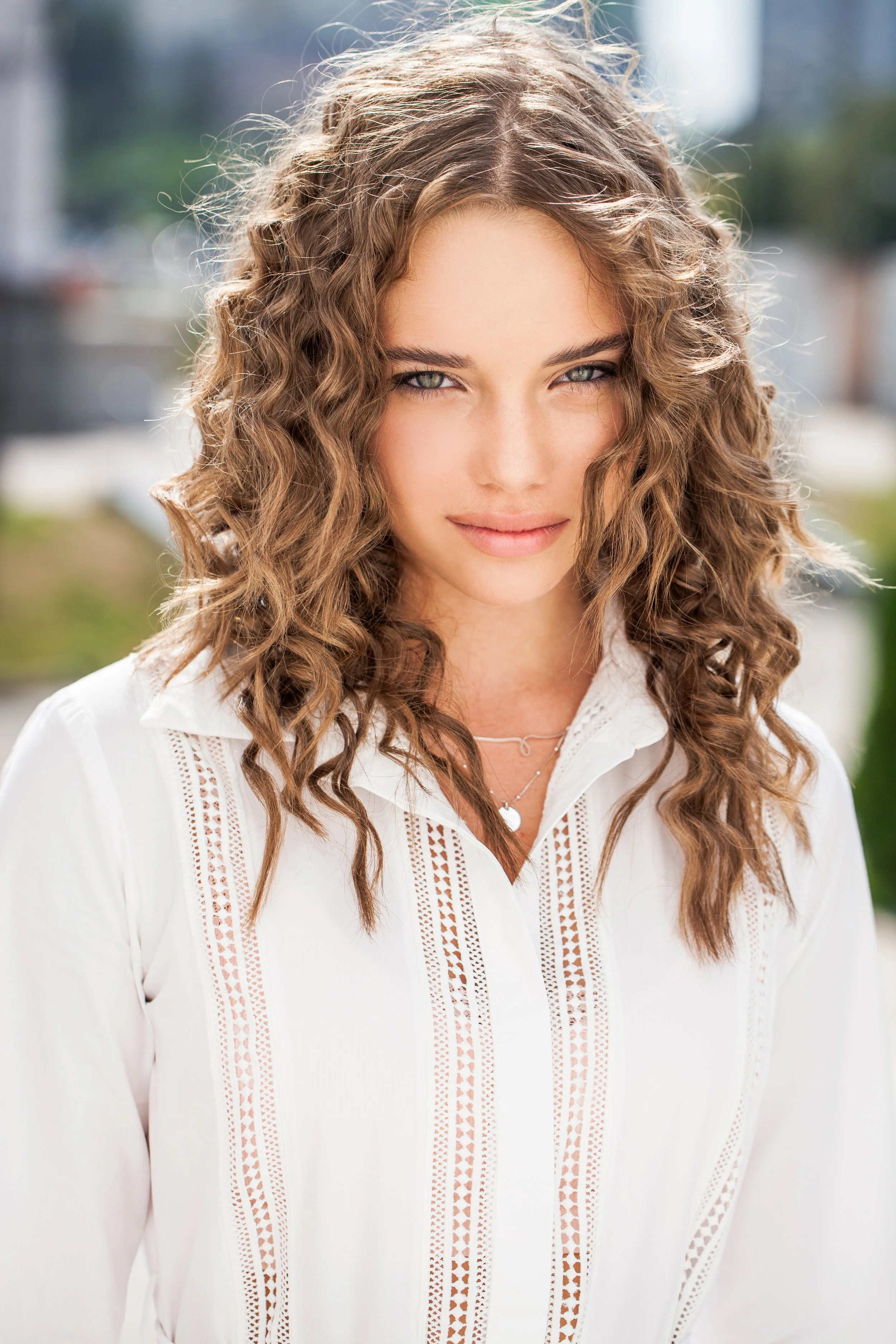
At CM Salon & Spa, every curly cut begins with a complimentary consultation, where a stylist assesses your curl pattern and face shape before any length is removed. That first conversation is where miscommunication gets resolved, not after the scissors come out. Our team brings 45+ years combined experience to reading texture and shaping curls, and we welcome clients from across Chicago at our Lakeview and Boystown location. To plan your visit, schedule a complimentary consultation.
Conclusion
Curly haircuts for women come down to three things working together: curl pattern, face shape, and the length you actually want to live with day to day. When those align, the cut looks intentional, wet and dry. A consultation removes the guesswork by letting a stylist read your texture in person before any length is removed, so you walk out with curls that behave the way you hoped and hold their shape between every appointment.
Frequently asked questions
-
For most curl types, layers are the better choice. They reduce bulk and let each curl spring freely, enhancing definition and keeping volume balanced throughout the shape. A one-length cut can look neat but often flattens curls and weighs them down, especially near the crown where lift matters most. The exception is very fine, loose waves that may hold shape at one length. Density and pattern decide the answer for your specific hair.
-
There is no single best haircut for curly-haired female clients, because curl pattern, face shape, and how much styling time you want all factor into the choice. Tighter patterns often shine in shorter, layered shapes, while looser curls carry length well. Your face shape guides where volume and length should sit. The clearest path to an answer is a consultation, where a stylist can assess your texture and goals together before recommending a cut.
-
Dry cutting is generally preferred for curl accuracy, since it shows the stylist how each curl actually falls before any length is removed. That reduces the surprise of shrinkage once hair dries. Looser waves have more flexibility and can handle wet cutting well, because they stretch and rebound less than tight coils. For defined ringlets and coily textures, a dry approach usually gives the most predictable, flattering result you can style at home.
-
Curly hair generally follows a ten-to twelve-week trimming guideline to keep the ends healthy and hold the cut's shape. That range is a starting point rather than a strict rule. Curl pattern and growth rate can shorten or lengthen the window. Tighter patterns and shorter styles often need shaping sooner to stay defined, while curls growing out toward greater length can comfortably wait a bit longer between appointments without losing their overall silhouette.
-
Long layers work especially well for thick curly hair because they remove weight throughout the mid-lengths and ends while keeping the length you want. That prevents dense curls from sitting heavy or spreading into a wide, triangular shape. Regular trims support the look by stopping bulk and split ends from building up at the ends. Together, layering and consistent maintenance keep long, thick curls moving freely instead of feeling weighed down.
-
Short cuts suit curl types that hold their shape well, since defined patterns bounce back and read cleanly at cropped lengths. Pixie cuts and cropped styles are low-maintenance options that show off tighter patterns and reduce daily styling time. Layering within a short cut keeps volume from piling at the crown. If your curls spring up predictably once dry, a short shape can highlight their texture beautifully while staying easy to manage between appointments.